After breakfast in our aparthotel we caught Bus 82 to the village of Eze which was included in our 7 day travel card, otherwise a €1.50 single fare. The journey took just 25 minutes and on leaving the bus it was then just a few minutes walk up to the village centre which dates back to medieval times. I recommend taking the bus rather than the train as you can then hike the trail downhill rather than having to contend with a steep ascent to the village.
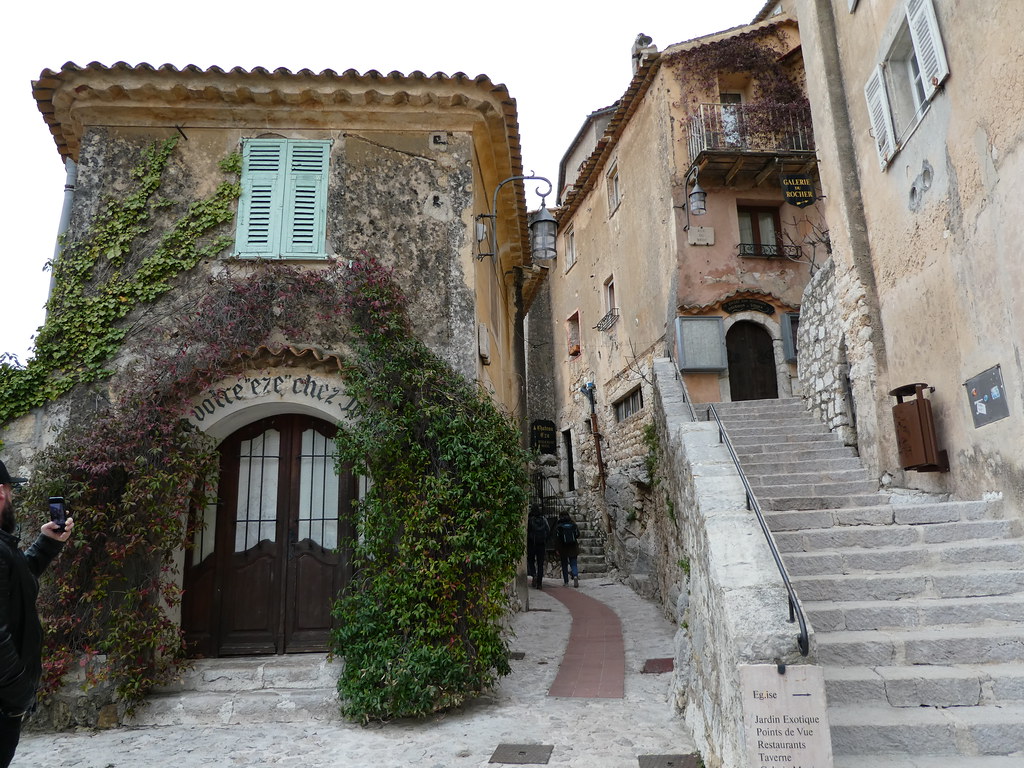
We explored the narrow alleyways of this charming village perched over 400 m above sea level on a rocky hilltop overlooking the Mediterranean. It was quite sleepy on the morning of our visit so we were able to wander the lanes in peace whilst admiring their traditional stone fronted houses, many with pastel coloured wooden shutters.
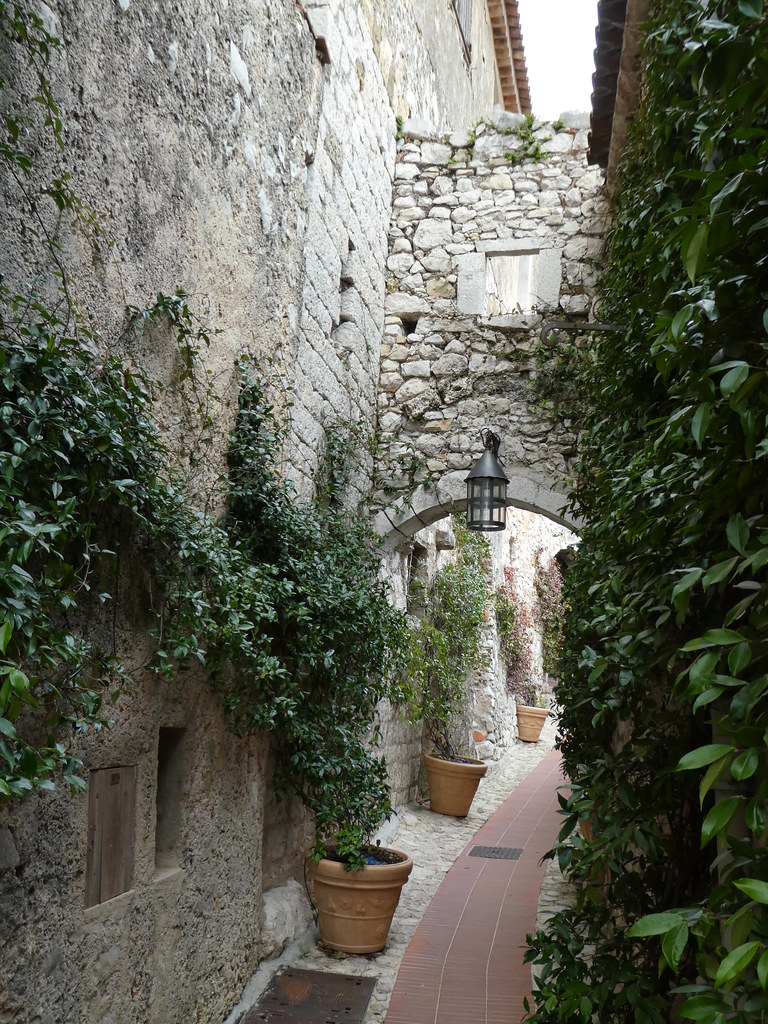
Time has stood still here with its cobblestone streets and passageways adorned with traditional wrought iron lamps and old stone flower troughs. Cars are not permitted in the village centre so even on a busy day with lots of tourists around the centre will still have quite a tranquil feel.
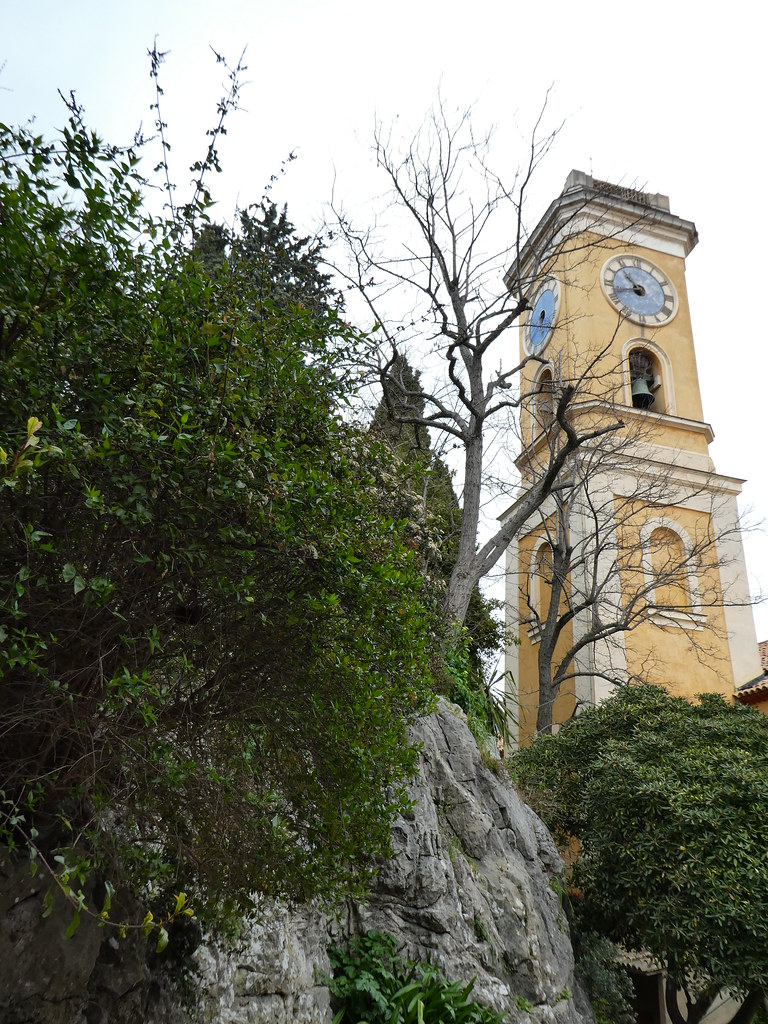
Small shops, galleries, restaurants and artisan’s workshops are dotted around along with two luxury hotels. We paused to view the beautiful neoclassical church of Notre Dame de L’Assomption which was built in the 17th century standing on the ruins of an earlier temple. This was constructed under the command of the Duke of Savoy, Charles Emanuel III.
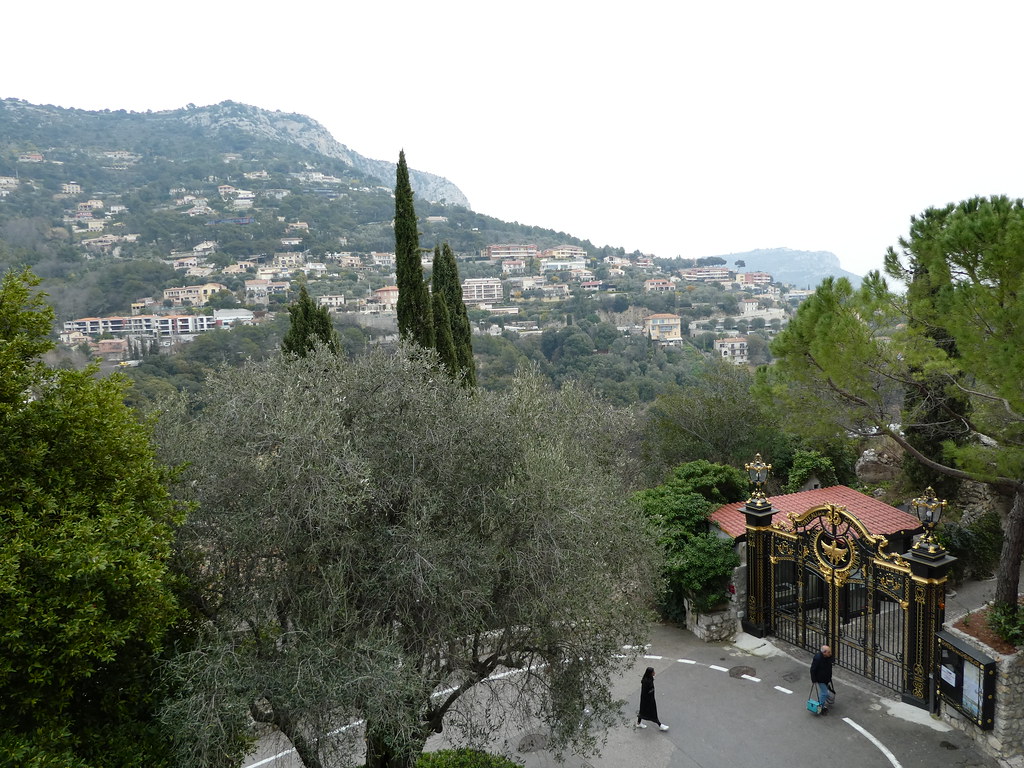
Two interesting attractions are located just outside of the historical village walls but neither were open at the time of our visit. The first of these are the perfume and soap factories of the famous Galimard and Fragonard companies whilst the second is the Jardin Exotique which is said to be magnificent not only for its array of exotic plants, cacti and succulents but also for its panoramic coastal views.
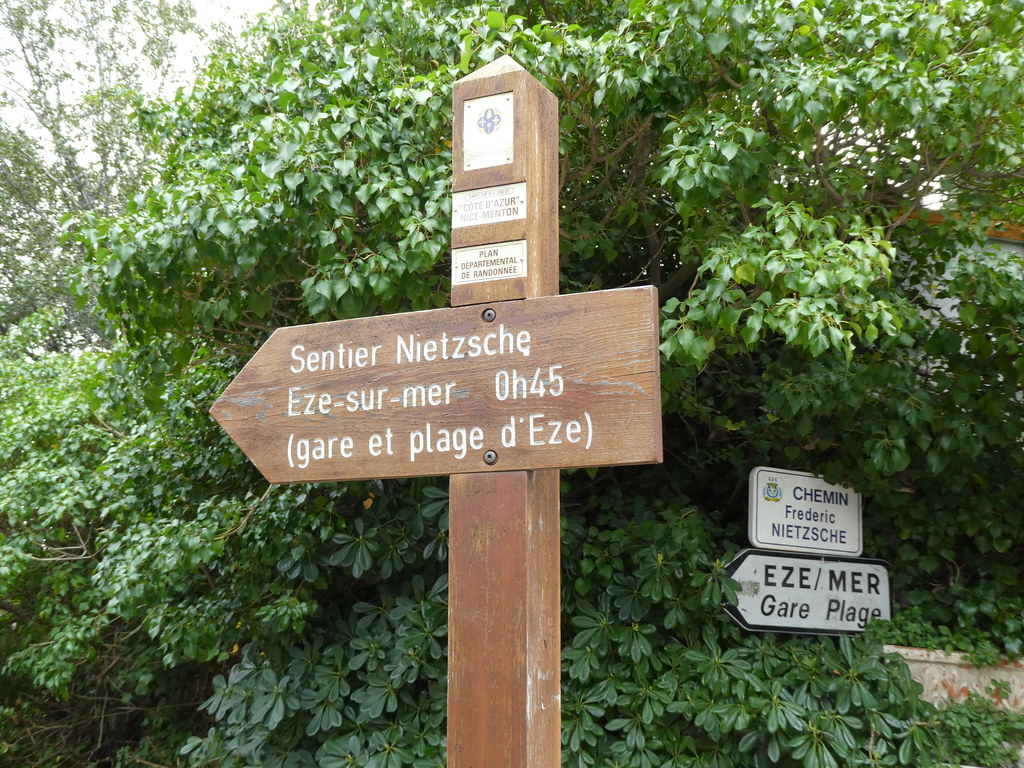
After completing our tour of the village it was time for our morning exercise so we followed a footpath along the Nietzsche Path which connects Eze village down to Eze-sur-Mer. The trail is named after the French philosopher who lived in the area in the 1880’s who regularly walked this route that was formerly a goat path. The trail is now officially known as Le Chemin de Nietzsche/ Nietzsche’s Path.

The footpath winds its way down the corniche and through a forested ravine. I recommend wearing a pair of sturdy walking shoes to avoid slipping as the trail is moderately difficult with several steep sections. In many places the stones and gravel underfoot were loose and slippery as the path has become badly eroded so care must be taken to avoid falling.
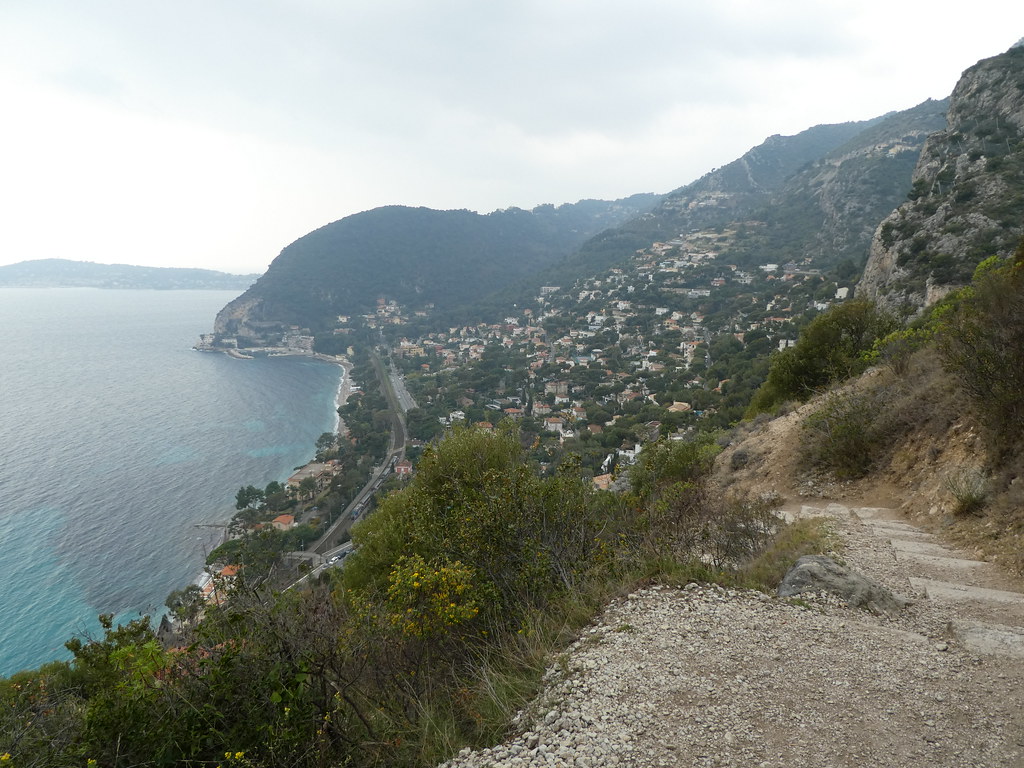
The walk took us slightly more than an hour as we paused several times to take photos of the scenic coast which comes into view from approximately half way down the trail. We only passed a handful of people on the way but the conditions were perfect for walking as it was cool and dry.
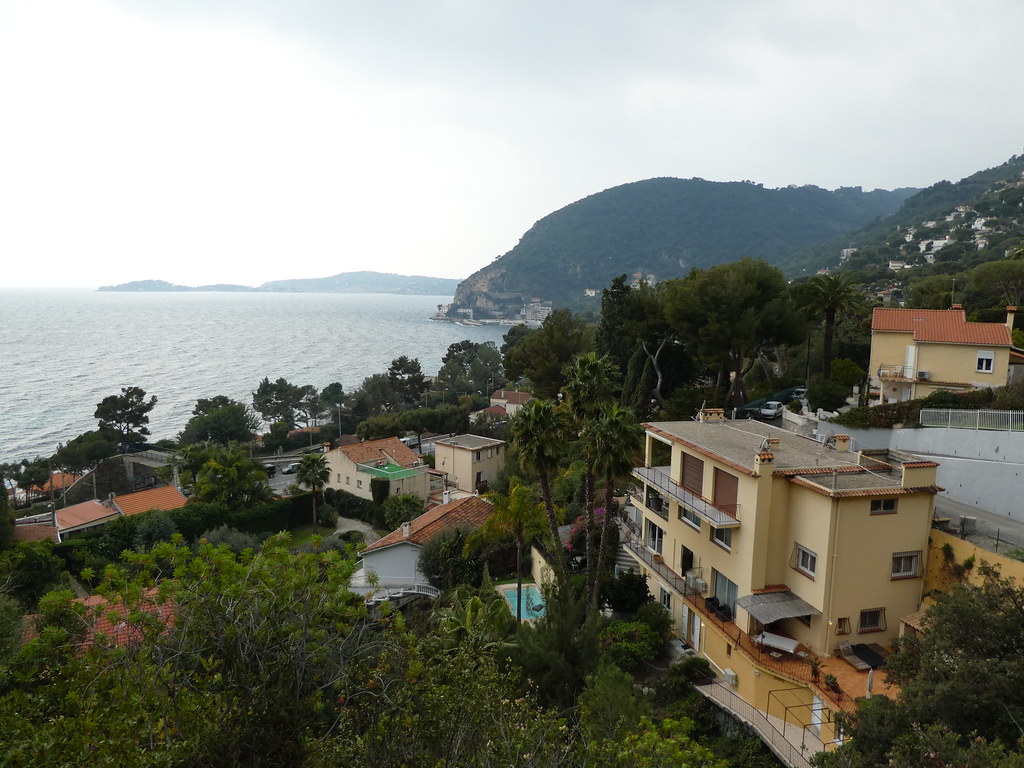

On reaching the main road in Eze-sur-Mer one can either take the train as the station is just across the road or alternatively board a bus. We chose the latter and only had to wait a few minutes for Bus 100 to arrive which took us the short distance to Beaulieu-sur-Mer.

Beaulieu is an upscale seaside resort 10 km from Nice which has remained largely unspoilt by tourism and frequented in the past by royalty and members of the aristocracy. The name of the town literally means ‘beautiful place’ and it most definitely lives up to its name enjoying a lovely position nestled in a crescent shaped bay sheltered by the rocky hillside behind. We started off by strolling through the attractive seafront gardens shaded by tall palm trees and awash with flowering violet bougainvillea.

There’s quite a large marina surrounded to one side by a cluster of restaurants and after admiring many of the yachts moored there we turned our attention to the seafront casino. This was designed by Gustavo Eiffel, world famous for his Eiffel Tower in Paris, who made Beaulieu his winter home.
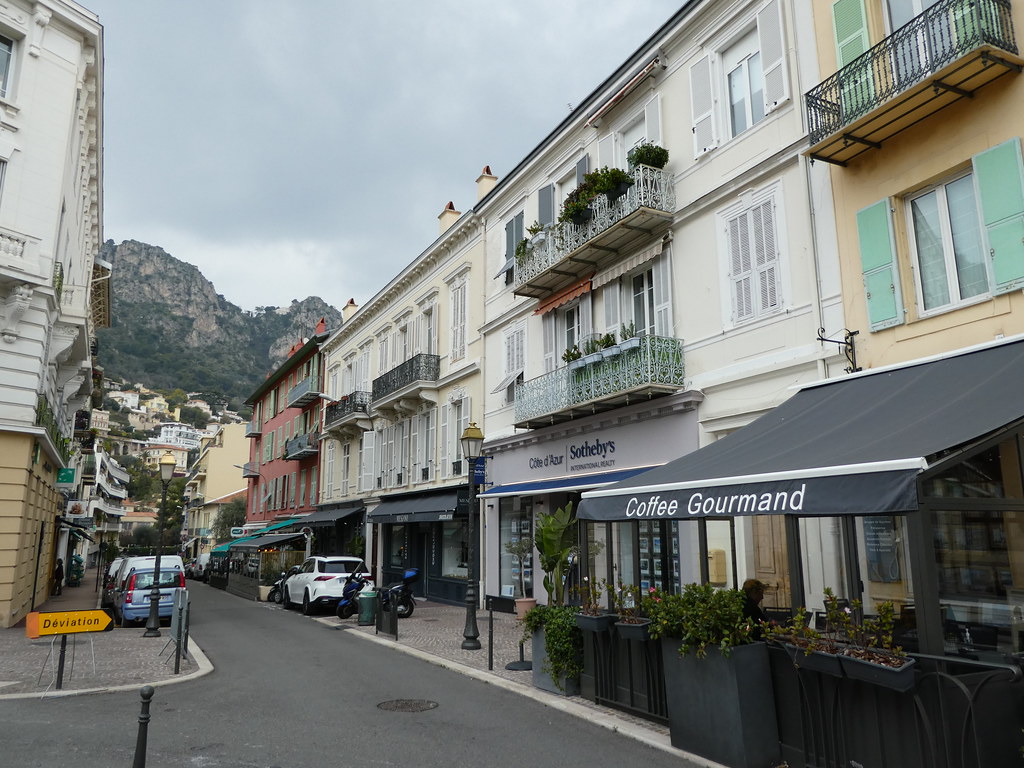
The Belle Époque architecture continues into the centre of town where we stopped off for a much needed cup of coffee and pastry in one of the delightful cafes in Place Marinoni. After wandering along Beaulieu’s picturesque streets lined with small luxury shops we caught Bus 15 to St. Jean Cap Ferrat, 5 km away.

Located on a peninsula, Cap Ferrat is a favourite holiday destination along the French Riviera among the rich and famous. Alongside Beaulieu and Villefranche it forms the Golden Triangle, an area with some of the most expensive properties outside of Paris. Our original plan had been to walk along the Maurice Rouvier path which links Beaulieu with St. Jean Cap Ferrat but after our hike at Eze we opted to take the bus instead.

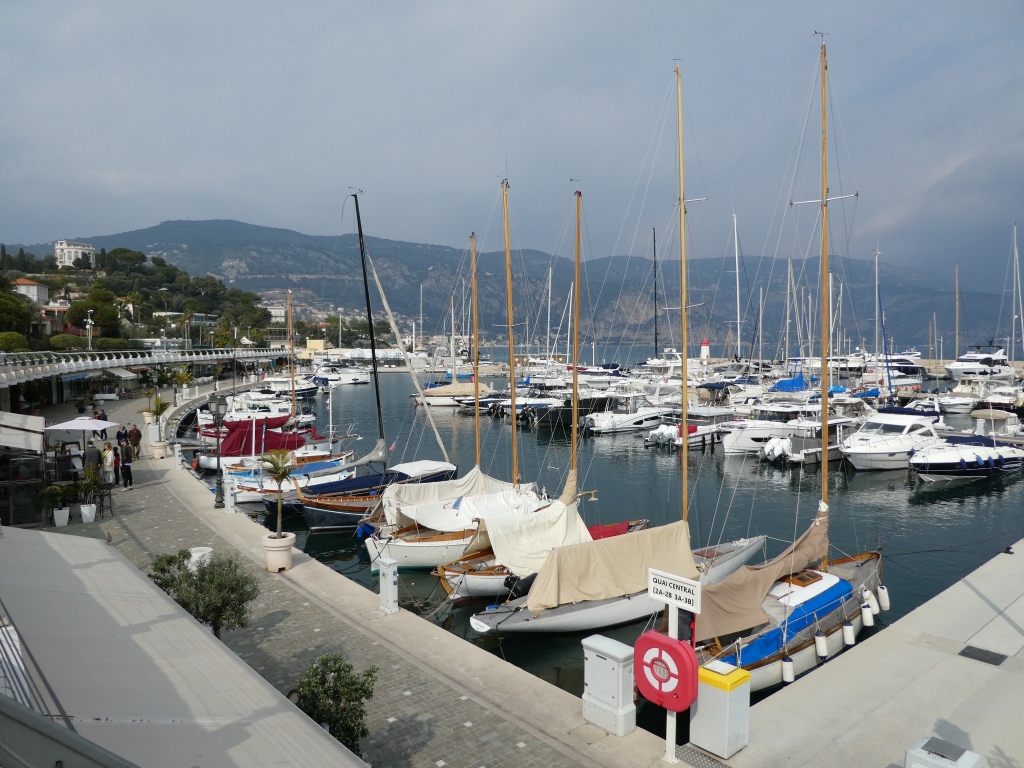
Cap Ferrat was originally a fishing village and is a delightful place with its pristine beaches, magnificent gardens and beautiful villas partially secluded behind the trees. The village is concentrated around the port which is now known as Port Lindbergh. More recently this area has been pedestrianised and a perfect place for our afternoon stroll.
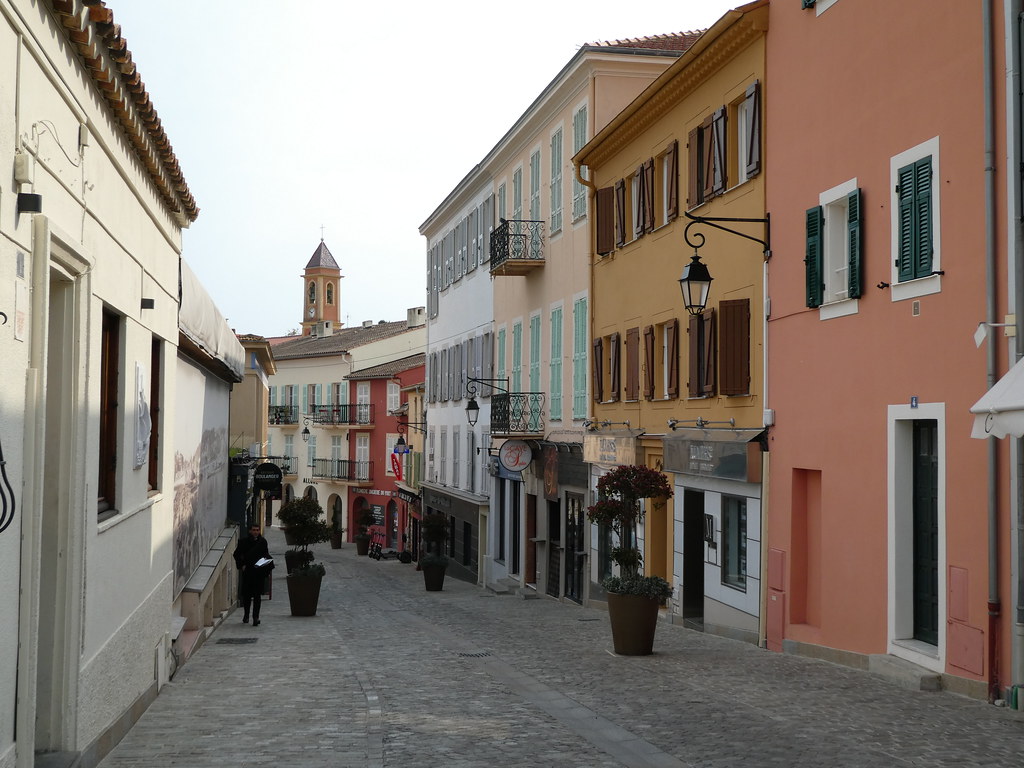
After inspecting the yachts moored in the marina and wondering how expensive they would be to buy, we took a walk beside the main public beach, Cros dei Pin which looked very inviting, even out of season.
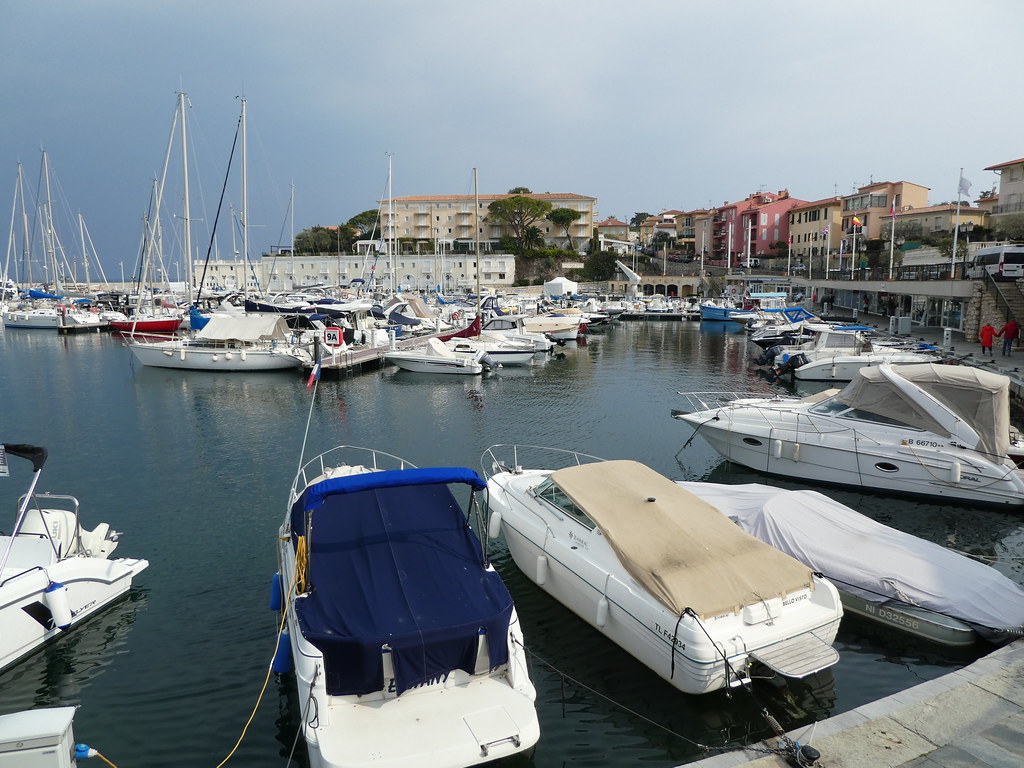
After a lovely day exploring these three towns and villages along the French Riviera we returned to Nice on Bus 15 which took us back through Beaulieu and onto the scenic lower corniche road which links Menton with Nice.
If you have enjoyed reading this post, you may also like:


 Love Travelling Blog
Leave a reply to travelling_han Cancel reply