
A three day Helsinki Card might at first glance seem expensive as it costs €74 but as it covers a wide range of attractions and scenic boat trips that can cost at least €20 each then it’s possible to make substantial savings whilst using the card. It is also valid on public transport including trams, buses, metro, local trains and the Suomenlinna ferry.
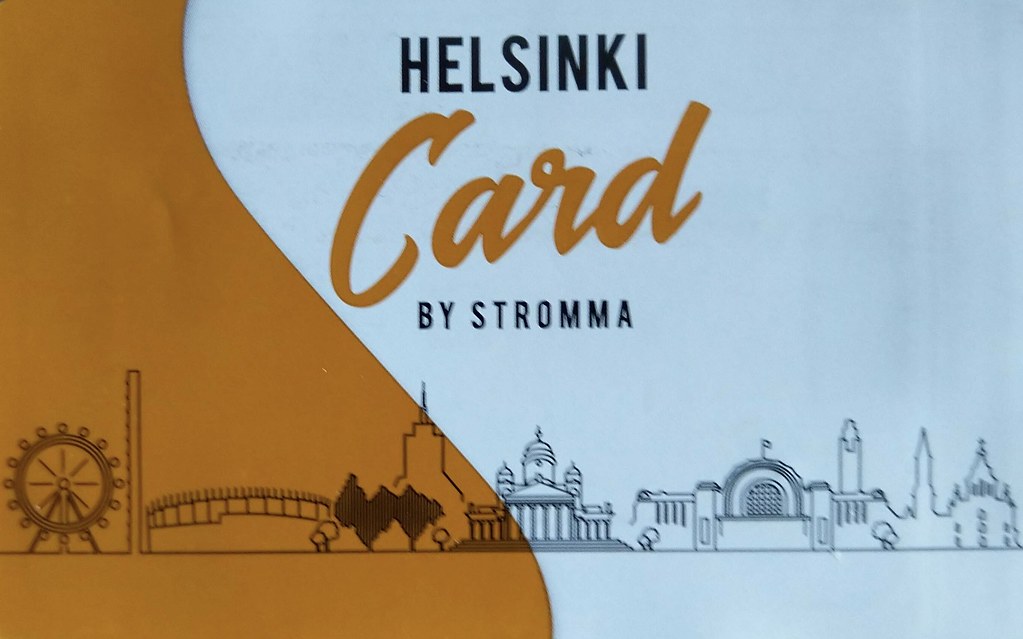
Making the most of a 72 hour Helsinki Card
Do remember to activate your card on public transport the first time you make a journey. If this is prior to visiting an attraction then the 72 hours will commence from that time i.e. if you activate the card at 11.30 a.m. on the first day then it can be used up until that time on the final morning.

Equipped with our cards, the accompanying guidebook and a map, we formulated a plan covering the attractions we could visit without rushing around too much. We actually managed to fit in a considerable amount by carefully grouping them into areas so that we were not wasting valuable time travelling around.
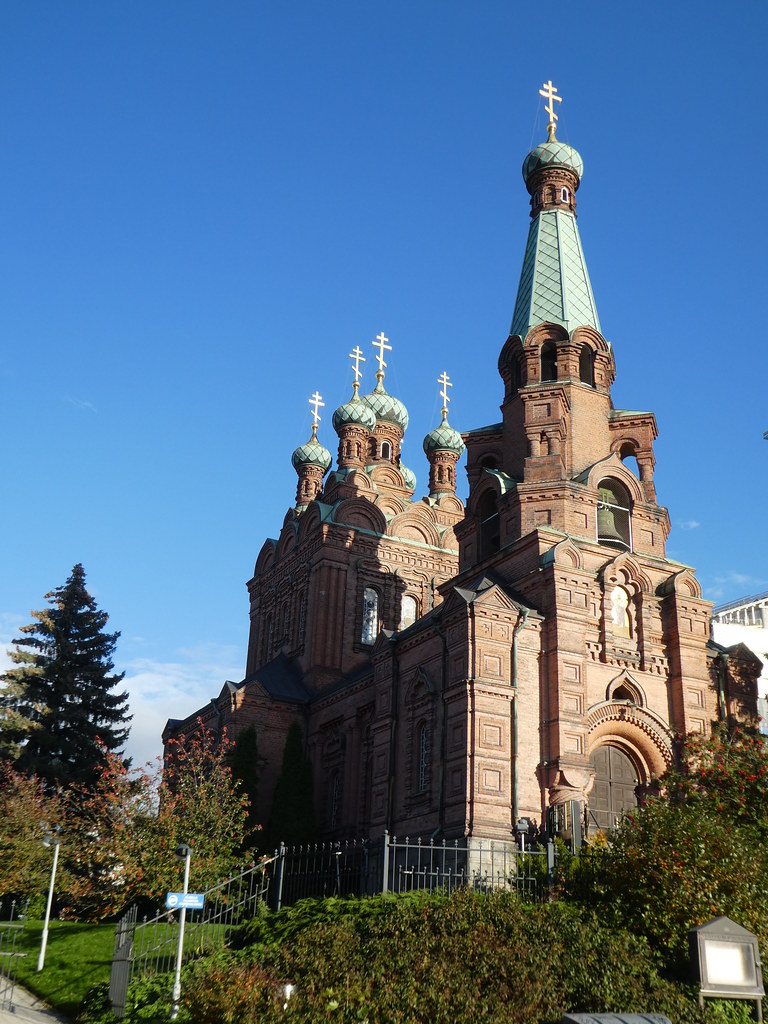
Detailed below is the itinerary that we devised which worked very well for us. Naturally we didn’t get to visit everywhere and depending on your interests you may wish to vary the schedule but hopefully it will help with planning.
Day One
Standard admission : €18, Getting there: Kaivokatu 2 Helsinki, Central Railway Station (Tram 2, 3, 5, 6, 9)

Housed in a beautiful building in the square adjacent to the Central Railway Station, the museum is centrally located and opens earlier than many of the other museums/attractions so is a good starting point. The Ateneum boasts Finland’s oldest and largest art collection and is certainly worthy of a visit.
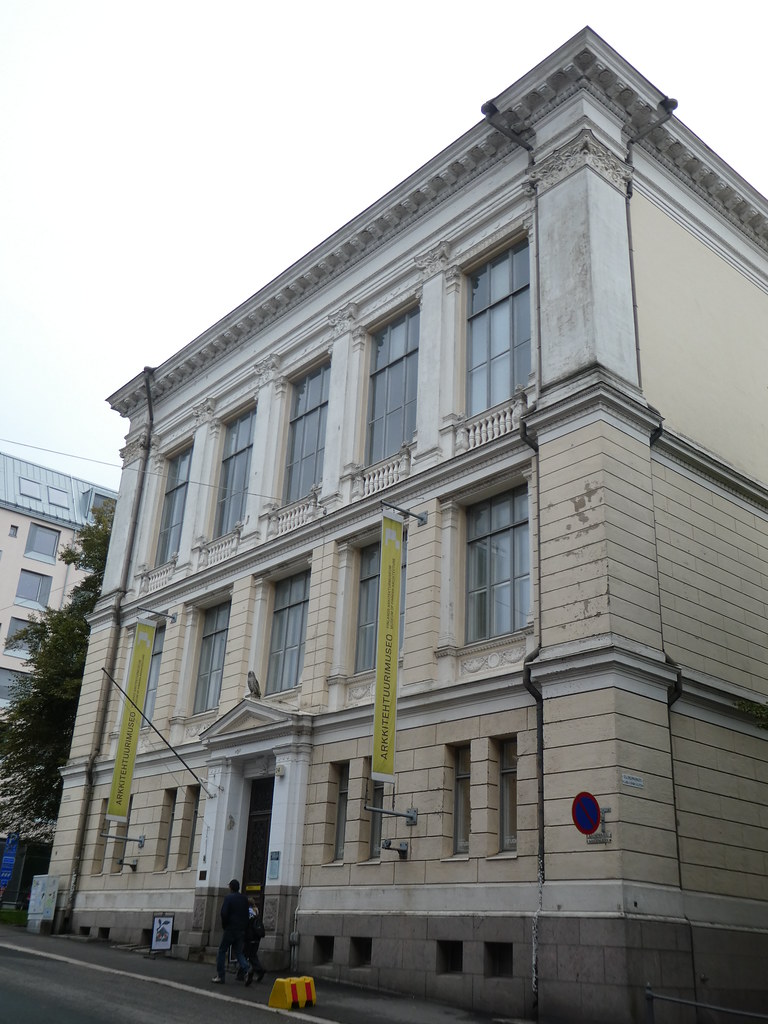
Museum of Finnish Architecture
Standard admission: €10, Getting there: Kasarmikatu 24 Helsinki, (Tram 10)
Standard admission €12, Getting there: Korkeavuorenkatu 23, 00130 Helsinki (Tram 10)
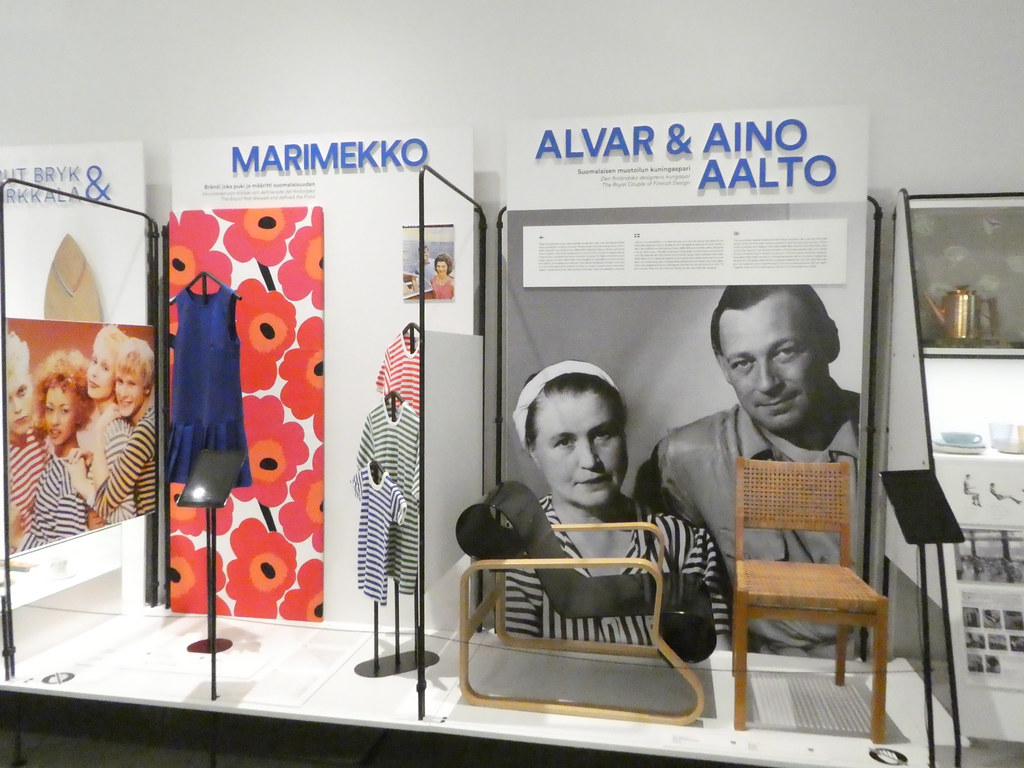
The Museum of Finnish Architecture and the Design Museum are located next door to each other about a 15 minute walk from the Ateneum so it is probably easier to walk than to wait for a bus or tram. Both museums are comparatively small but equally interesting. The Design Museum showcases the likes of Marimekko, Ittala, Alvar Alto, Finlayson and Arabia.
Standard admission €10, Getting there: Kalliolinnantie 14, Helsinki, Kaivopuisto (Tram 2, 3)
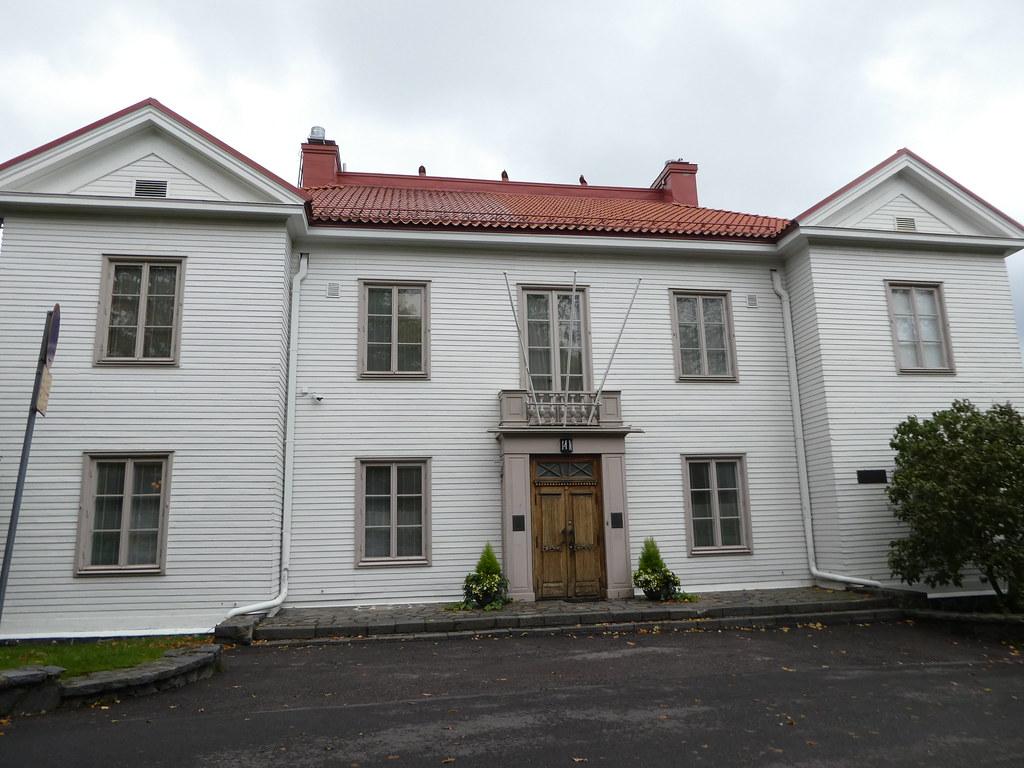
This museum depicts the life and times of Baron Gustaf Mannerheim, Marshal of Finland (1867-1951). Visits are by a 40 minute guided tour of the villa where he lived during the period 1924-1951. The majority of the rooms have been preserved in their original state. Not knowing anything about Mannerheim I was unsure what to expect but surprisingly the tour conducted by a knowledgeable guide was very interesting as was the beautiful villa, so I am pleased we decided to add this to our itinerary.
Standard admission €14. Getting there: Mannerheimintie 34 Helsinki, Kansallismuseo (Tram 4, 10)

We took a No.2 tram into the centre after visiting the Mannerheim Museum and then changed to a No.4 tram to take us to the National Museum. This beautiful building designed in National Romantic style has an exquisite vaulted central hall with frescoes which leads through to the numerous galleries depicting Finland’s history from its earliest days to how we see it today. In my opinion, a definite ‘must visit’ museum to include.
Standard admission €12, Getting there: Mannerheimintie 13b, Helsinki, Kansallismuseo (Tram 4, 10)

Villa Hakasalmi is located opposite the National Museum so it’s convenient to pop across the road to visit. It displays a series of temporary exhibitions, the one taking place at the time of our visit being ‘Encounters in 1960’s Helsinki’. The Villa has an attractive cafe making it a good stopping off point for tea and cakes.
Standard admission: €16, Getting there: Bulevardi 40 Helsinki. Hietalahdentori (Tram 6)

From Villa Hakasalmi we travelled by tram to the Sinebrychoff Art Museum, changing lines in the centre. This art museum specialises in old European art and is part of the Finnish National Gallery. To the rear are extensive grounds which are pleasant for a stroll. This completed our tour of some of the city centre museums included in the Helsinki Card. We managed to visit several as they they were not too far apart with the smaller ones needing less time to explore.
Day Two
Whilst utilising our card on the second day we selected fewer attractions slightly further away and combined these with coastal walks.

Standard admission €10. Getting there: Viikintie 1, Helsinki. Tram 6 and 8 + 1 km walking.

We took the tram to its terminus and followed the clearly marked path to the sea. From there it’s a pleasant coastal walk along to the museum which is located by the Vantaa River rapids. The buildings were constructed as the first water agency in Finland nearly 150 years ago. This fascinating museum is located in several buildings documenting the story of technology and industry in Finland. After returning to the city centre we caught a bus to Seurassari Island (journey time approximately 25 minutes).

Standard admission €10 although access to the island and its walking trails are free. Getting there: Closest Bus Stop Seurasaari (Bus 24 terminus) from Kamppi.

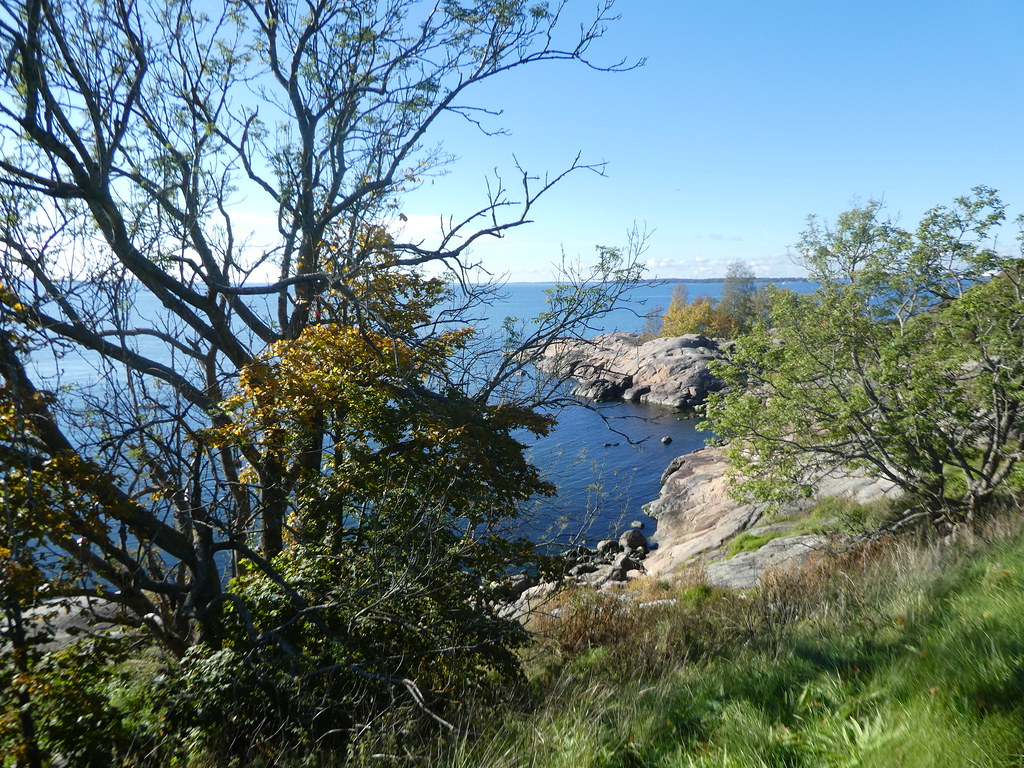
This open-air museum is accessed via an ornate wooden bridge and is home to a collection of Finnish cottages, farmsteads and old manor houses spread around the island. We enjoyed a lovely walk all the way around the island, taking in some idyllic views and spotting several red squirrels on our way. There’s a cafe/ restaurant plus several kiosks where you can buy hot drinks and delicious cinnamon buns.
Whilst at Seurassari we took advantage of visiting Tamminiemi which is located near the wooden bridge to the island.
Standard admission €10. Getting there: Seurasaarentie 15 Helsinki. Closest Bus Stop Seurasaari (Bus 24) from Kamppi

Tamminiemi Villa is located in a beautiful park estate which used to be President Urho Kekkonen’s official residence during his period in office between 1956 and 1981. This beautiful villa is furnished in the same way it was in the 1970’s. We took a self-guided tour of the house and then explored its sauna suite in the grounds. There’s also a very attractive cafe with additional outdoor seating overlooking the sea. Leaving Seurasaari we returned to Kamppi by bus. Located close to Kamppi is the Amos Rex art museum so we headed there next, arriving an hour before it closed.
Standard admission €20, Getting there: Mannerheimintie 22-24 Helsinki. Kamppi Bus Station and Trams 4, 7A, 7B, 10

The Amos Rex Art Museum won the Leading European Cultural Destination of the Year award and in 2021 has been chosen as one of the International Architecture Awards winning projects. Its subterranean galleries host temporary exhibitions with Inner Journeys by Bill Viola taking place at the time of our visit.
Day Three
Many museums and attractions are closed on Mondays so care needs to be taken when planning if like us, you are utilising a card over a weekend. On our final day we took to the water starting with a scenic cruise.

Getting there: Departure: Market Square, Helsinki, Kauppatori (Tram 1, 1A, 2)
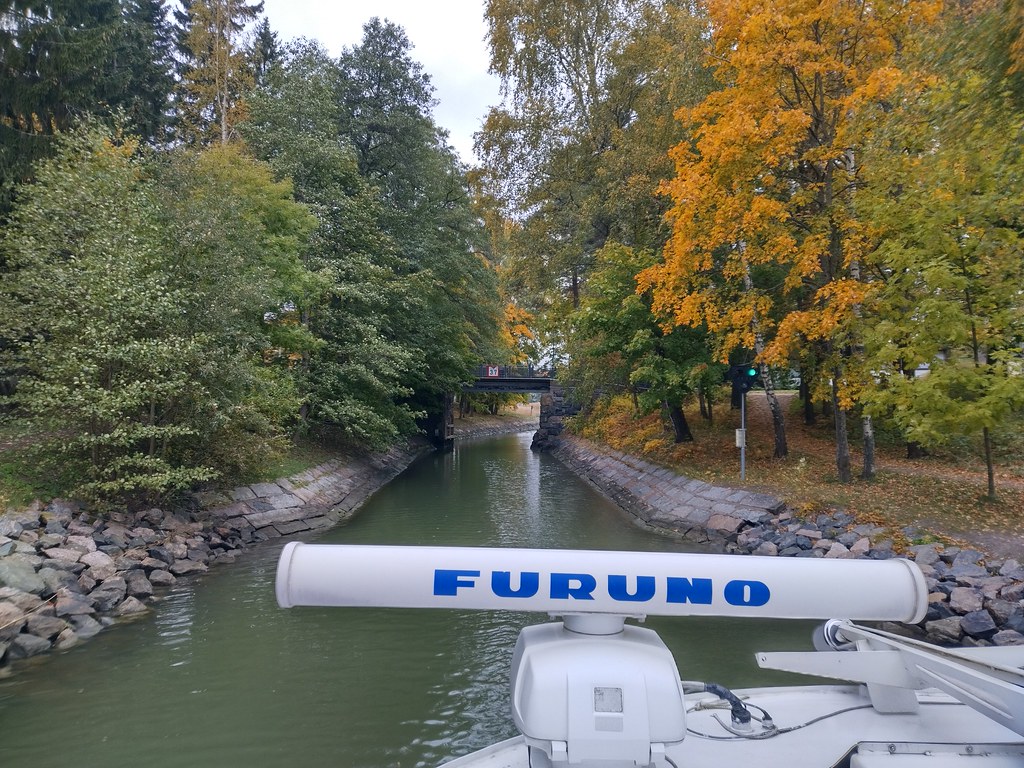
This cruise taking 80 minutes tours the beautiful shorelines of Helsinki passing the Suomenlinna Fortress, Helsinki Zoo on Korkeasaari Island and through the archipelago before entering the narrow Degerö canal. In my opinion, a definite ‘must include’ with the card.
Getting there: Frequent ferry service from the Market Square opposite the Presidential Palace. Ferry ticket: €8 for a one day ticket.
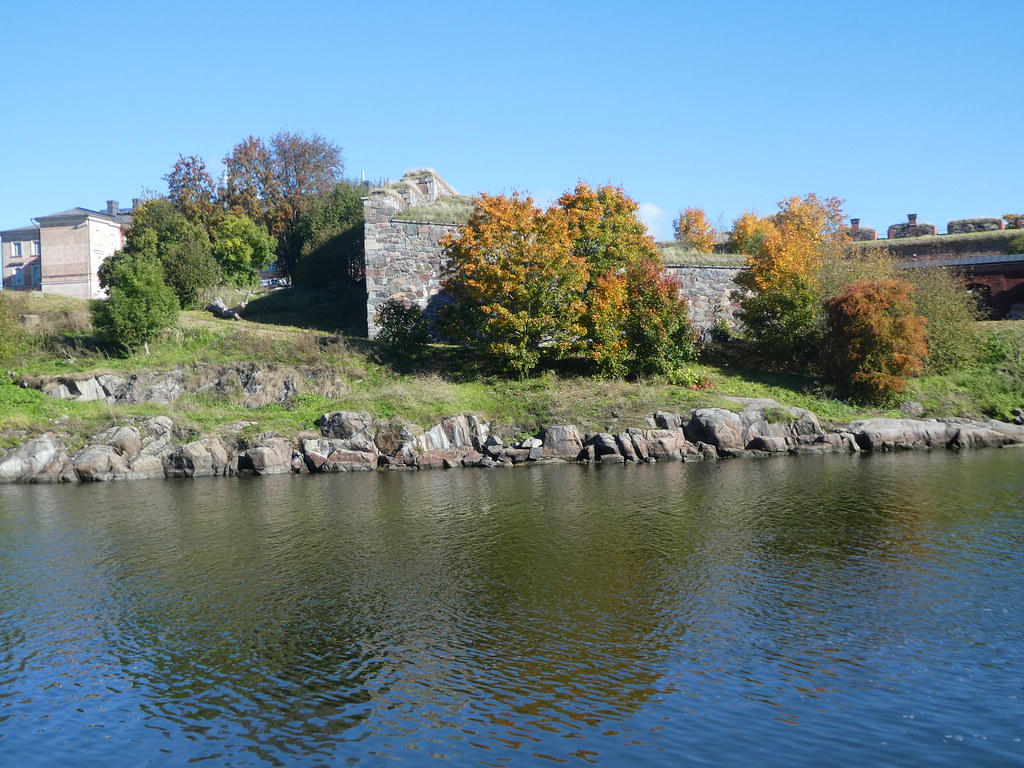
The Suomenlinna Sea Fortress is just a 12 minute ferry ride from the city centre. The island was added to UNESCO’s World Heritage Sites as a unique example of the military architecture of its era. Suomenlinna is a bastion fortress with an irregular shape and a unique history in serving the defence of three realms, Sweden, Russia and Finland.
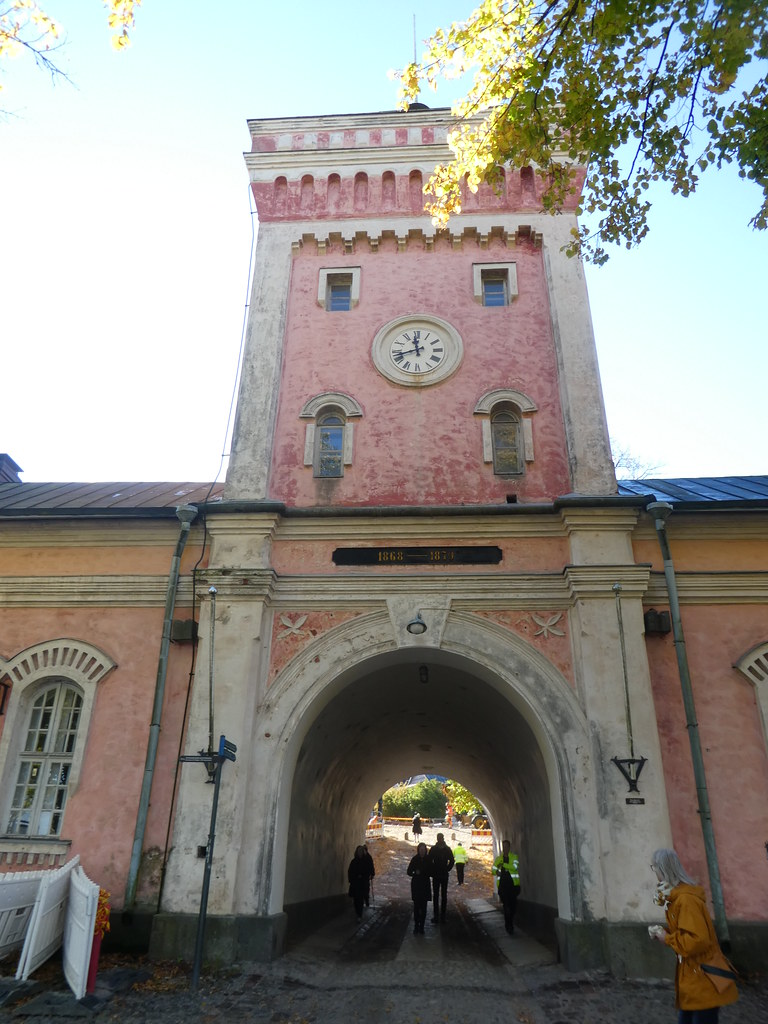
Pick up a map from the tourist office in the pale pink building by the quay and enjoy following one or more of the trails around the island, the key sights being along the 1.5 km blue route. Included in the Helsinki Card is the ferry and admission to the following:
Standard admission €7. This exhibition features intriguing stories about the wars of Finland and the Finnish Defence Forces.

Standard admission €7. Visitors can climb on board a restored Finnish submarine that served in the Second World War, viewing the cramped working environment and the technology used at that time.

Standard admission €8. This is the main museum on the fortress documenting the story of Suomenlinna. The island offers a variety of inviting cafes, restaurants and even its own brewery where you can enjoy a bite to eat and a drink before catching the ferry back to the market square.
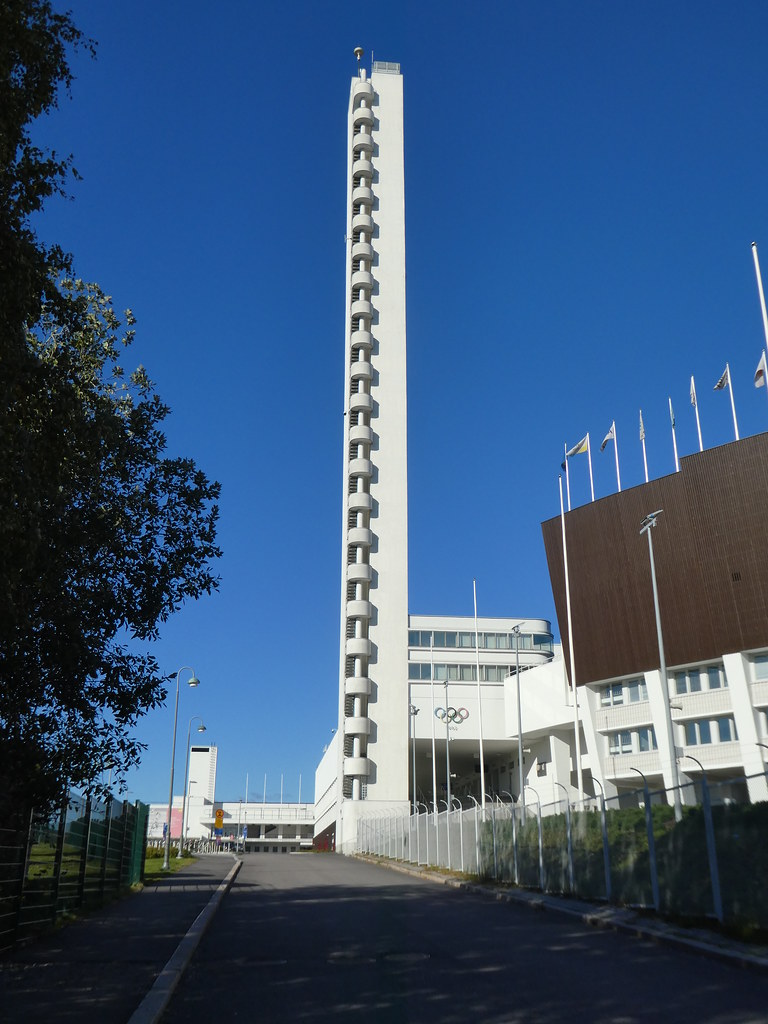
Standard admission €15. Getting there: Olympic stadium Töölön Halli (Tram 1, 2, 4, 10).
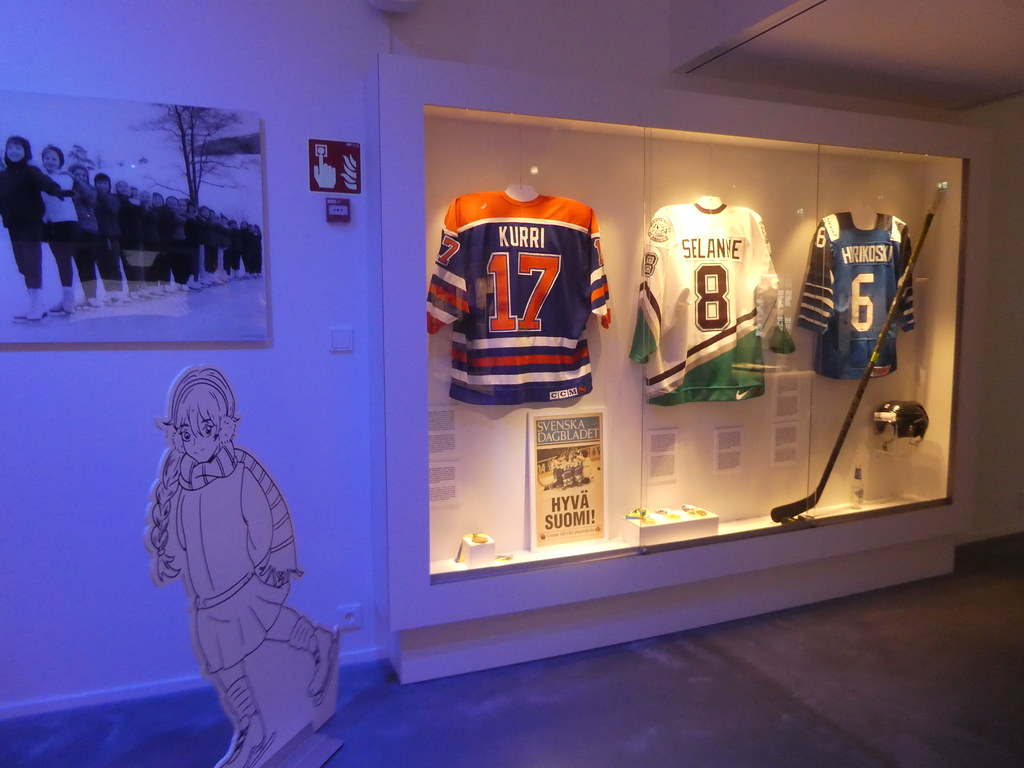
The Sports Museum details the history of sport and physical culture in Finland. The museum traces the history of sport in the country with a special section on the Olympic Games. Visitors can learn about events and sporting heroes including ice hockey and ski champions, footballers such as Sami Hypiä and Formula 1 champions Mika Häkkinen and Kimi Räikkönen. There is also a special section devoted to the 1940 and 1952 Helsinki Olympic Games.

This proved to be an extremely interesting museum to round off our three days of utilising the Helsinki Card. Although the card does not include a stadium tour it is possible to view the stadium from the cafe terrace.
On analysing the cost of admission to each of the attractions visited we noted the total cost per person would be a whopping €212 rising to €228 if you take into consideration that you would need to use public transport to get between venues. As Helsinki Cards cost €74 this is a huge saving and I hope this post has helped to provide some indication of whether or not you might wish to purchase the card. For me, it was a clear winner as I was able to visit and learn so much for a third of the usual admission prices.
If you have enjoyed reading this post, you may also like:
Kamppi and Herttoniemi, Helsinki
A walk to Tervesaari island, Helsinki


 Love Travelling Blog
Leave a comment