
Day 1
On noticing that the low cost Hungarian airline Wizz Air had introduced flights from Leeds-Bradford airport to the Romanian capital of Bucharest, we were soon tapping away on our laptop to book flights.

The day soon arrived for our 3 hour morning flight over to Bucharest which departed slightly later than scheduled. With a two hour time difference to add on, it was already late afternoon by the time we were collecting our bags from the luggage carousel.

We then bought 2 x 72 hour travel cards at 40 Lui (£7.20) each from the adjacent railway station kiosk as they were unavailable from machines in the airport. For a short stay the cards offer excellent value as they are valid on all forms of transport within the city including trains, buses, metro, trolley buses and on airport – city transfers. (Tickets just need to be validated on the first journey and are then valid for the following 72 hours, more information can be found here.) Although we could have taken the train into the city centre, it was actually more convenient for us to take Bus 783 from outside the airport arrivals hall as it stopped close to our hotel (journey time 37 minutes).
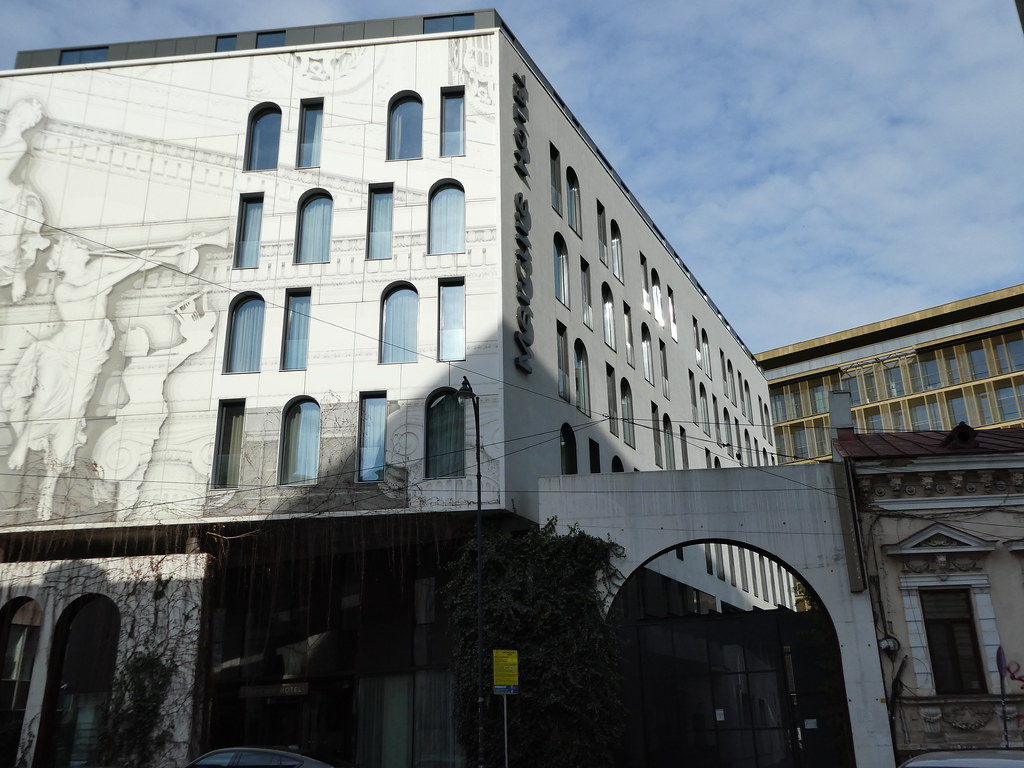
We’d arranged to stay at the Mercure Bucharest City Centre which was located on a quiet road just a few minutes from the airport bus stop. The modern hotel had a spacious lobby and soon after arriving we were checking in to our room on the 5th floor. The corner room we had been assigned was larger than most and benefitted from additional floor to ceiling windows.
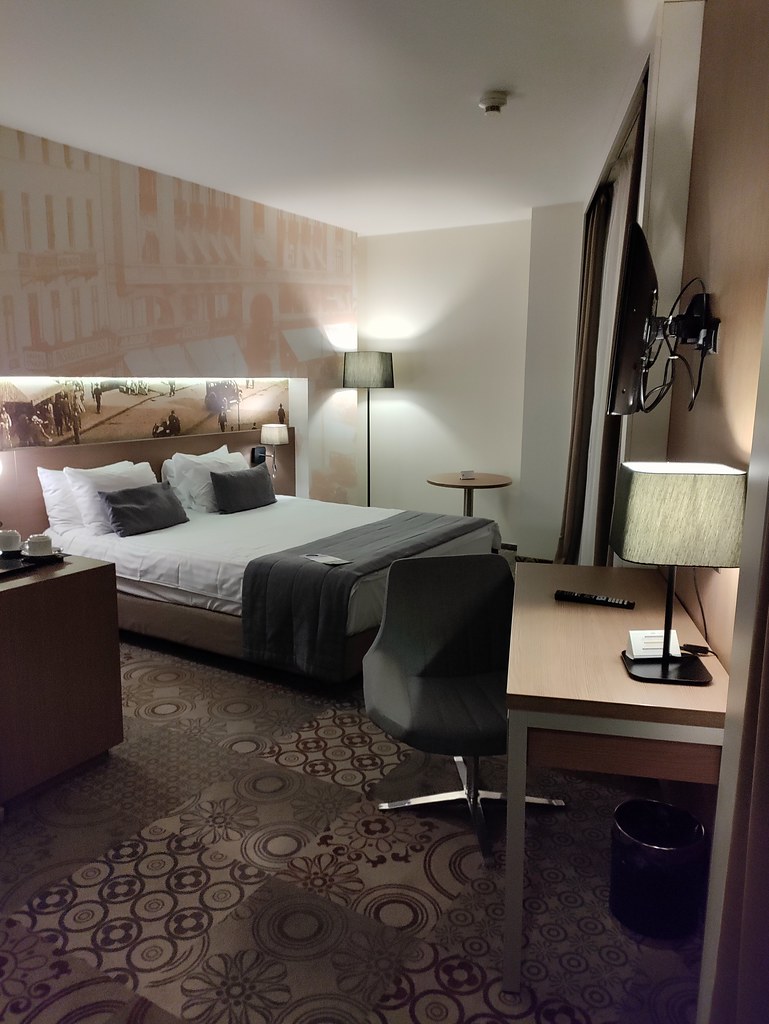
The room was very comfortable and spacious for our three night stay and after quickly unpacking and making ourselves cups of tea, we headed out to explore the city centre.

It was just a short walk to the old town with its charming narrow streets filled with welcoming bars and upscale restaurants. Some of the historic buildings were floodlit enabling us to admire their beauty and along Strada Lipscani we came across Carturesti Carusel which is undoubtedly one of the most beautiful bookshops I’ve ever visited.

It was open until late so we spent ages exploring its six floors filled with over 10,000 books, music, souvenirs, gifts and a cafe. It’s the flagship store of the Corturesti company and is exquisite with its galleried landings and white spiral staircases.
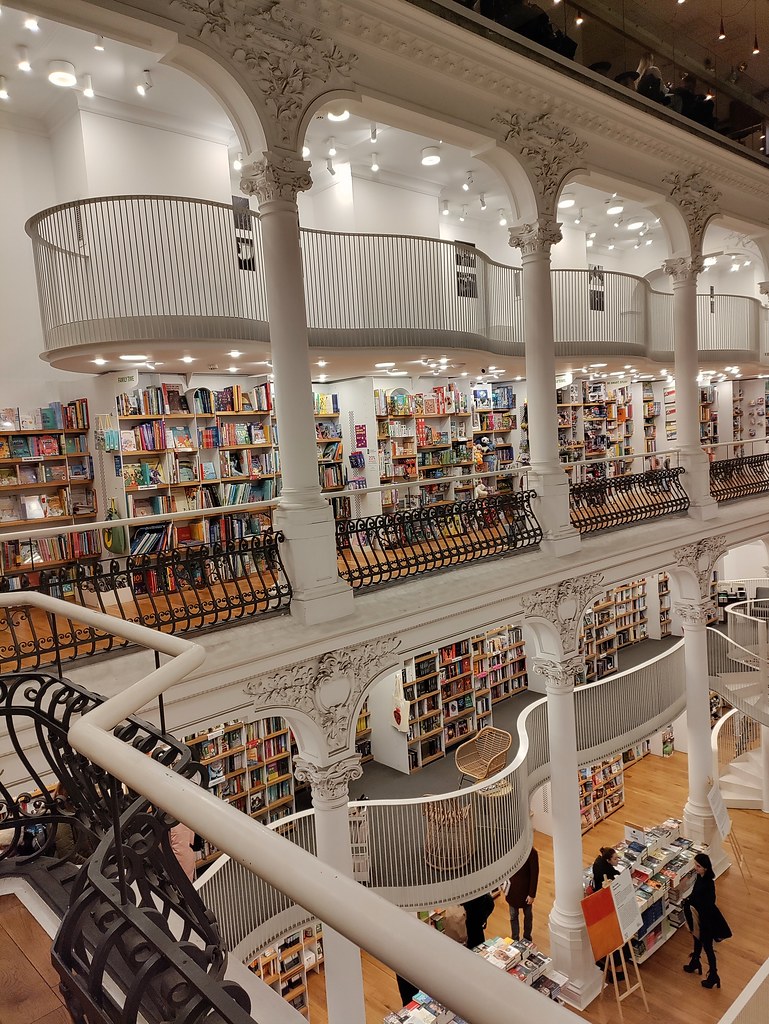
The 19th century building once served as the headquarters of a bank until its closure in 1948. It later became a men’s outfitters and then a general store during communist times before falling into disrepair until its redevelopment as a bookstore.
Afterwards, we called into one of the old town’s cosy pubs where I tucked into a huge plate of tender pork steak washed down with a glass of local Romanian beer. Feeling lazy we made good use of our travel cards by taking the metro two stops back to our hotel where we were soon snuggled up in bed looking forward to the day ahead.
Day 2
After sleeping soundly and coming to life under the powerful rainfall shower we headed downstairs to enjoy breakfast in the hotel’s restaurant where we helped ourselves from a vast buffet selection to set ourselves up for the day.

Our morning began with a walk around the beautiful Old Town, its magnificent buildings looking beautiful in daylight. If you are staying further afield, the nearest metro stations to the old town are either Piata Unirii or Universitate.

In the early 1900’s Bucharest was known as ‘Little Paris’ due to its French inspired Belle-Epoque buildings and monuments, with the city even having its own version of the Arc de Triomphe. Dictator Nicolae Ceaușescu tore down parts of the capital in order to create his concept of a modern world but thankfully a large proportion of the city centre and its old town remained unscathed resulting in a mix of neo-classical, art-deco, communist and modern architecture.
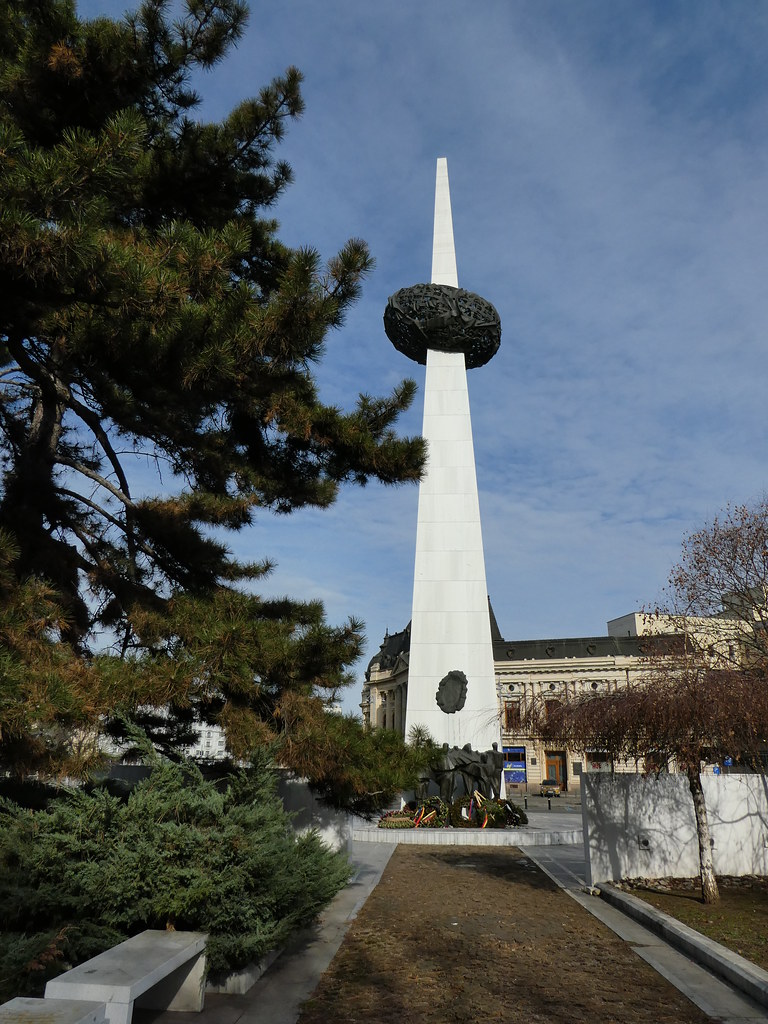
Our first stop was at Revolution Square which is located between Senate Palace and the Royal Palace (now the Art Museum of Romania). The name of the square was chosen to emphasise the importance of the 1989 revolution in Romania’s history. At its centre stands a 25m high marble pillar topped with a crown that appears to reach up towards the sky.

A short distance further and we had reached University Square, one of the most important of Bucharest’s squares. It is surrounded by the University of Bucharest, the Sutu Palace (Bucharest Municipal Museum), the National Theatre and Coltea Hospital. The square is also noted as representing kilometre zero in terms of the National road network of Romania. The large building of the University of Bucharest was constructed by French architects over 150 years ago and the building is currently home to the faculties of Mathematics, Geography, Geology, Foreign Languages and History.
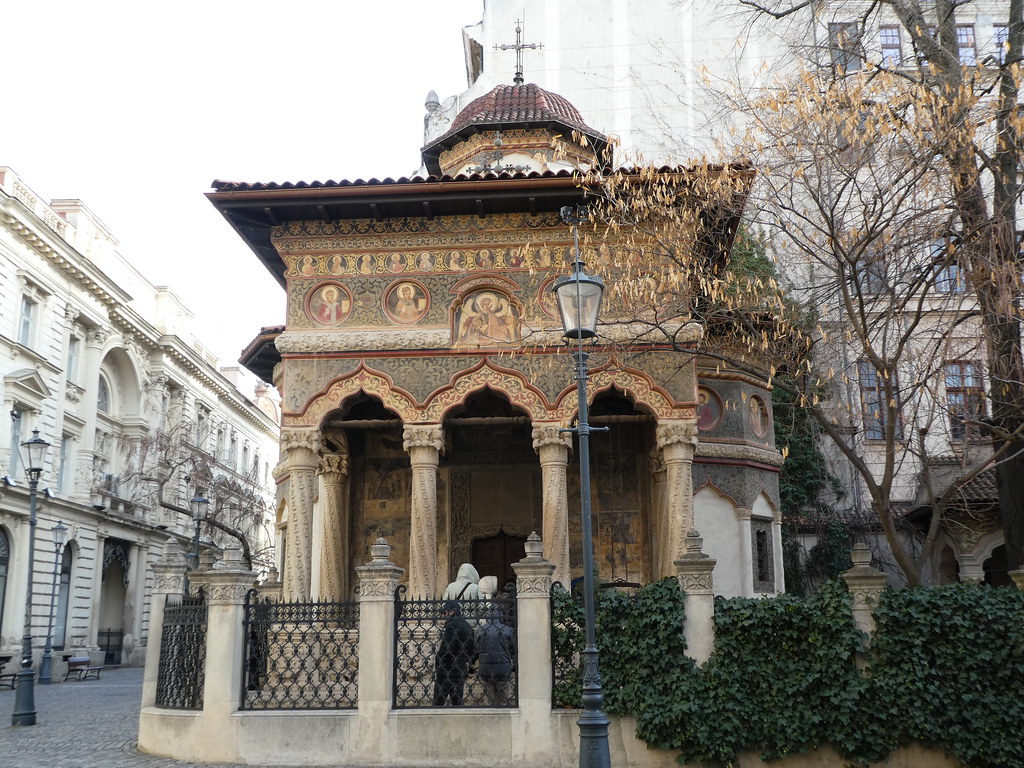
The Stavropoleos Church is one of the most beautiful religious buildings in the capital and can be found tucked between taller buildings. At almost 300 years old it’s part of the Stavropoleos Monastery founded by the Greek monks. Only the church and a small adjacent building are still standing but there used to be an entire Eastern Orthodox monastery for nuns on the site until the late 19th century.
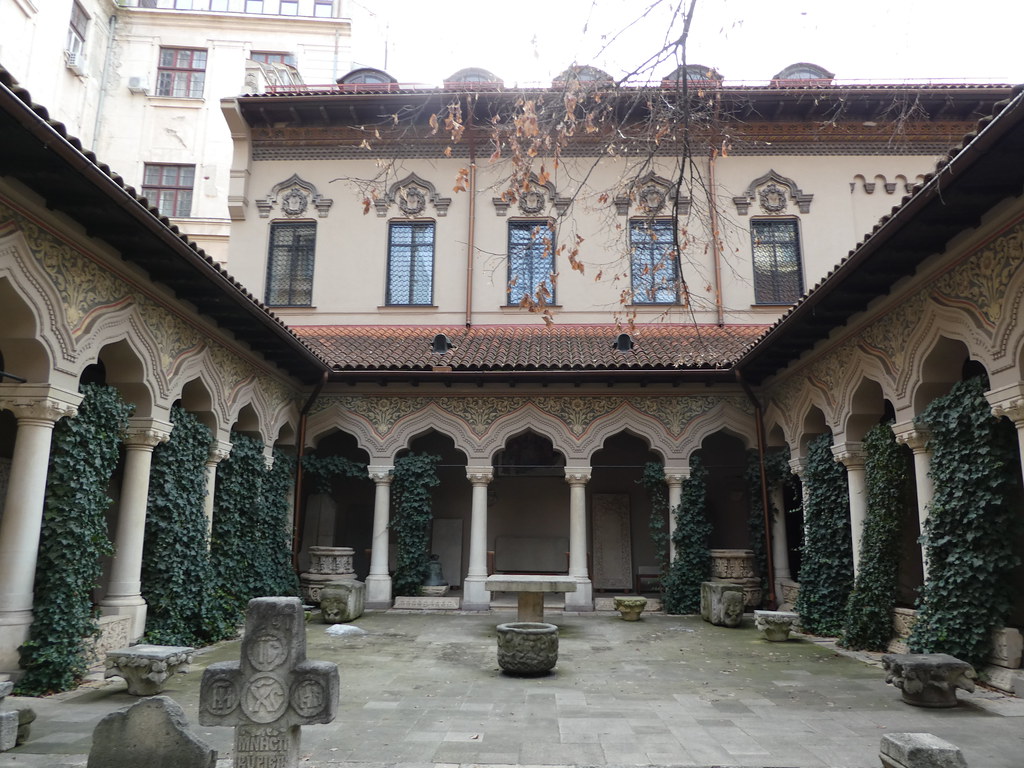
We stepped inside as it’s free to enter the small church where we gazed in awe at its elaborate detailing and then took a stroll around the beautiful courtyard with its ornate arches featuring small medallions of saints.

Just along the street from the church lies another famous city landmark, the Caru’ cu Bere restaurant which is reputed to be the oldest in Romania. Serving local cuisine, we popped in to sample some of its renowned local sausage and enjoy a glass of beer. The restaurant features ornate woodwork and stained glass windows and dining there feels as if you have been transported back in time.
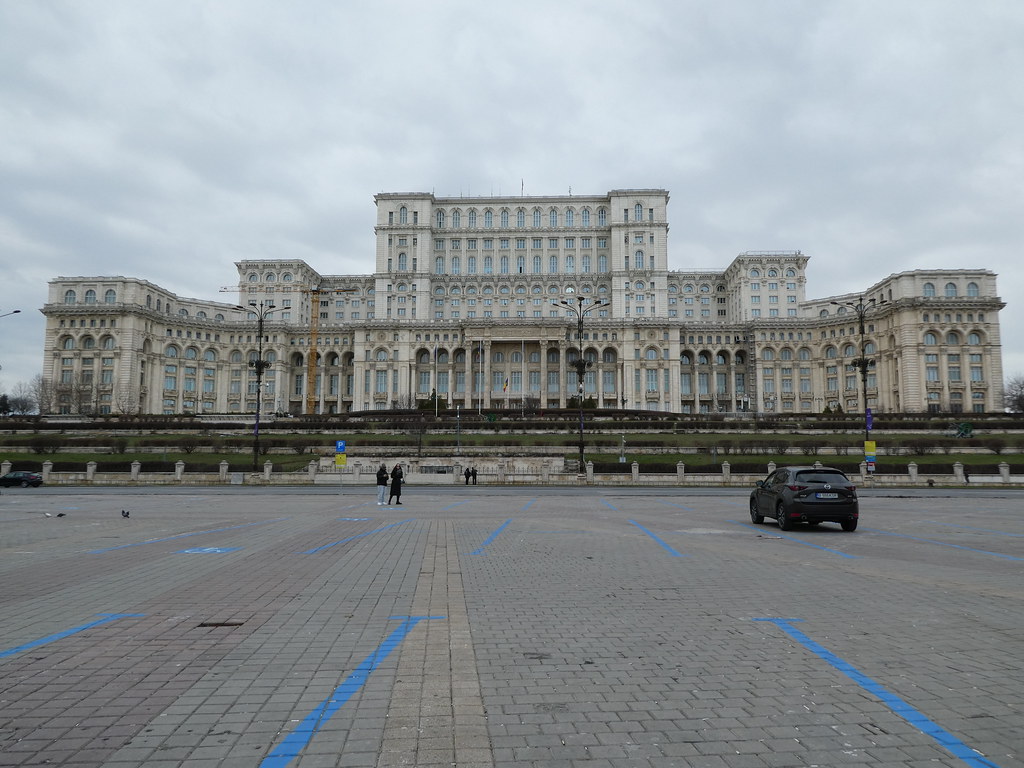
Refreshed after our lunch break we continued along to the Palace of Parliament which is impossible to miss as it is the second biggest administrative building in the world. It was also referred to as the People’s House during Ceausesco’s regime as this huge building was an extravagance of the former communist times. The building’s scale and opulence are staggering as it consists of 12 floors (including 4 underground levels), 1,100 rooms and 4,500 chandeliers. Guided tours of around 12 of the most extravagant rooms are usually possible but sadly not at the time of our visit.
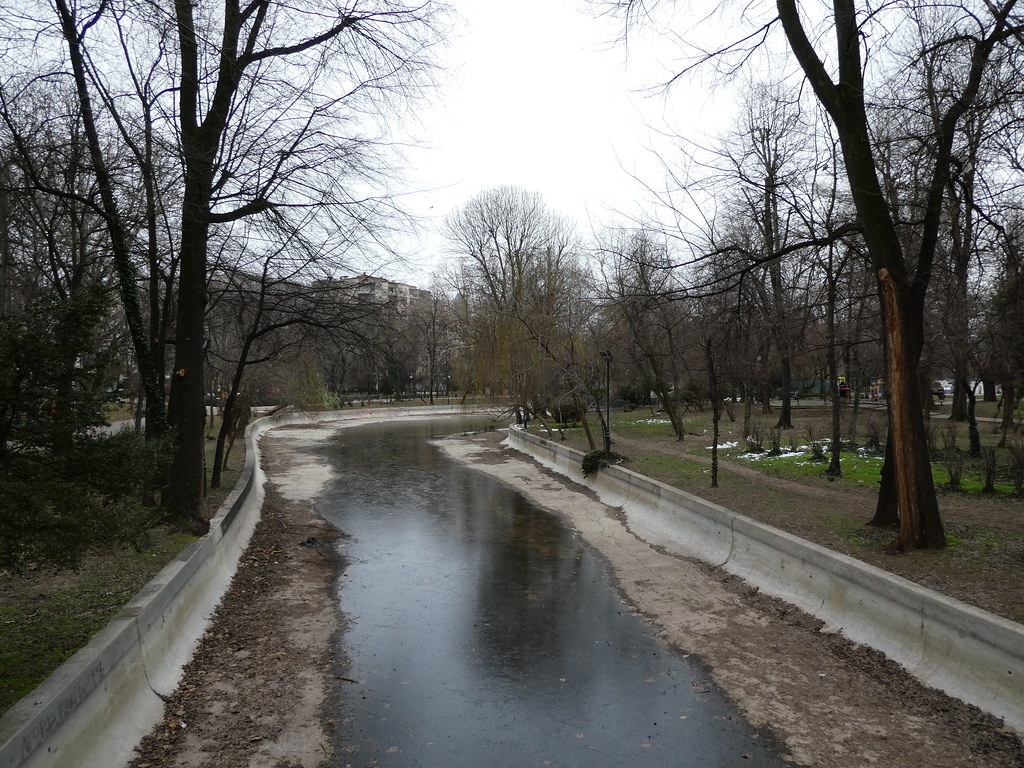
A short stroll from the old town led us to Cismigiu Park which has been a feature of the city since 1847. It’s the city’s oldest park with two lakes, a children’s playground and an ornate clock tower.

One of the lakes had been transformed into an ice rink so we spent awhile leaning over the barriers to watch people skating and to listen to the music being played through the loud speakers.

After returning to our hotel for a little rest we returned to the old town to for dinner. The perfect end to our fun filled day exploring Bucharest.
If you have enjoyed reading this post you may also like:


 Love Travelling Blog
Leave a reply to Kartik Dodia Cancel reply