
After exploring the sights of Luxembourg City centre the previous day, we turned our attention to the country as a whole with a plan to spend the following days touring Luxembourg’s four distinct regions starting with the industrial heritage of the south west.

As public transport is totally free throughout the entire country we did look into the possibility of utilising it but as many of the places we wished to visit were off the beaten track it would have meant scaling down our itinerary to allow for infrequent bus connections etc. Instead, we collected a hire car from Europcar in the city centre and were soon heading south west to Minett Park Fond-de-Gras in a gleaming, white Audi A1.
The region around Minett was one of the largest centres for iron ore exploitation and by 1913 Luxembourg was one of the world’s largest iron ore producers. The industrial past of this region is still visible today as some aspects have been left as a reminder of their importance in Luxembourg’s history.

Minett Park Fond-de-Gras has been transformed into a charming open air museum and is home to several preserved, historic buildings including an old grocery store, electric power station, railway station and a train shed. Upon arrival we parked at what we thought was the entrance car park but after walking ten minutes down a steep hill we discovered another free car park which would have saved us time and effort.
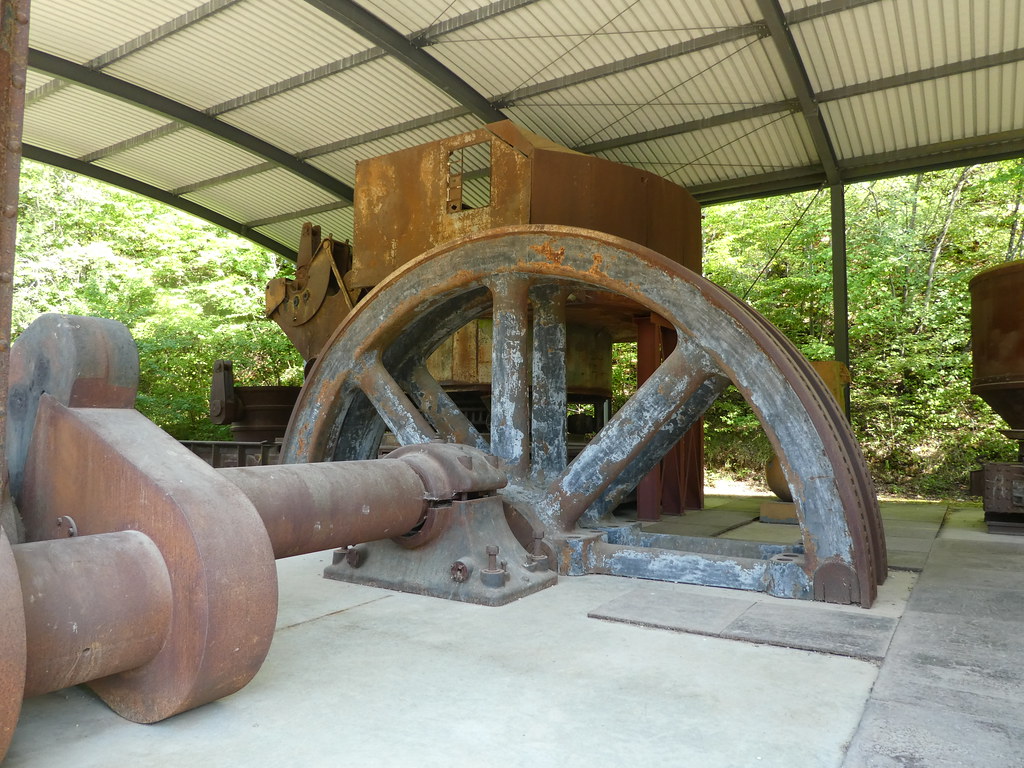
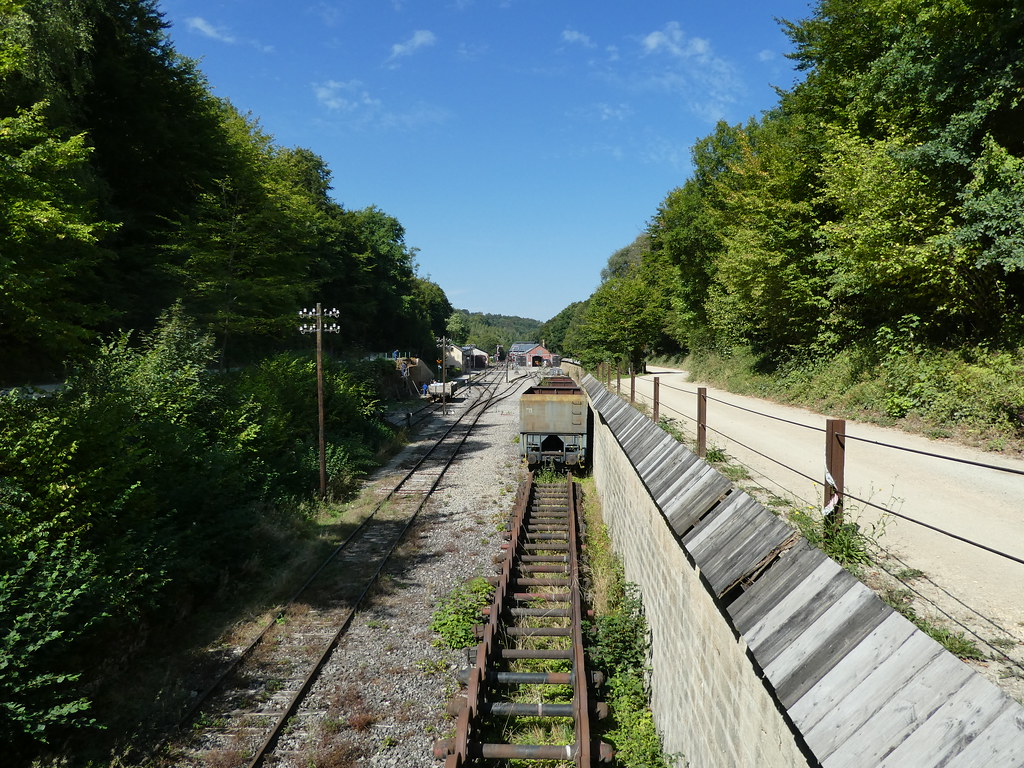
We wandered around the old railway site which is free of charge and viewed carriages and engines that were used for carrying iron ore. Steam trains operate on Sunday afternoons during the summer between Pétange and Fond de Gras on the line which opened in 1874 to transport iron ore extracted from nearby mines. If you can plan your visit for a Sunday afternoon then I’m sure it would be an enjoyable experience.
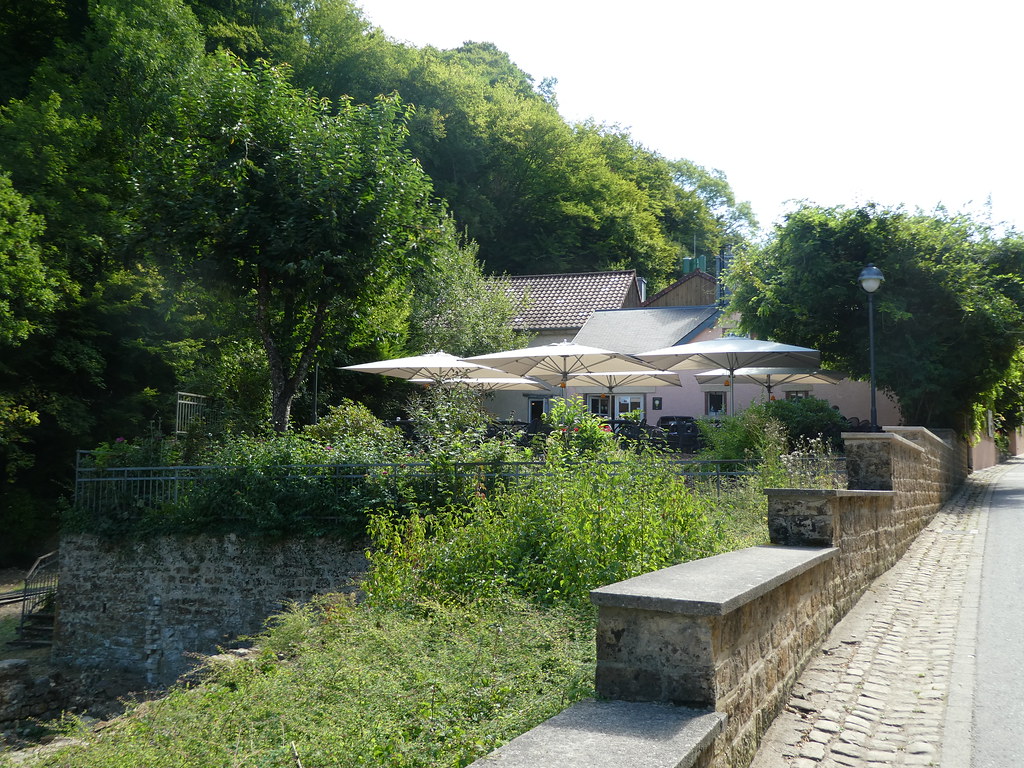
The large scale Giele Botter open cast mine is now a nature reserve and a pleasant place for a stroll with numerous information boards covering the industrial impact of the site and its conversion into a protected natural area.
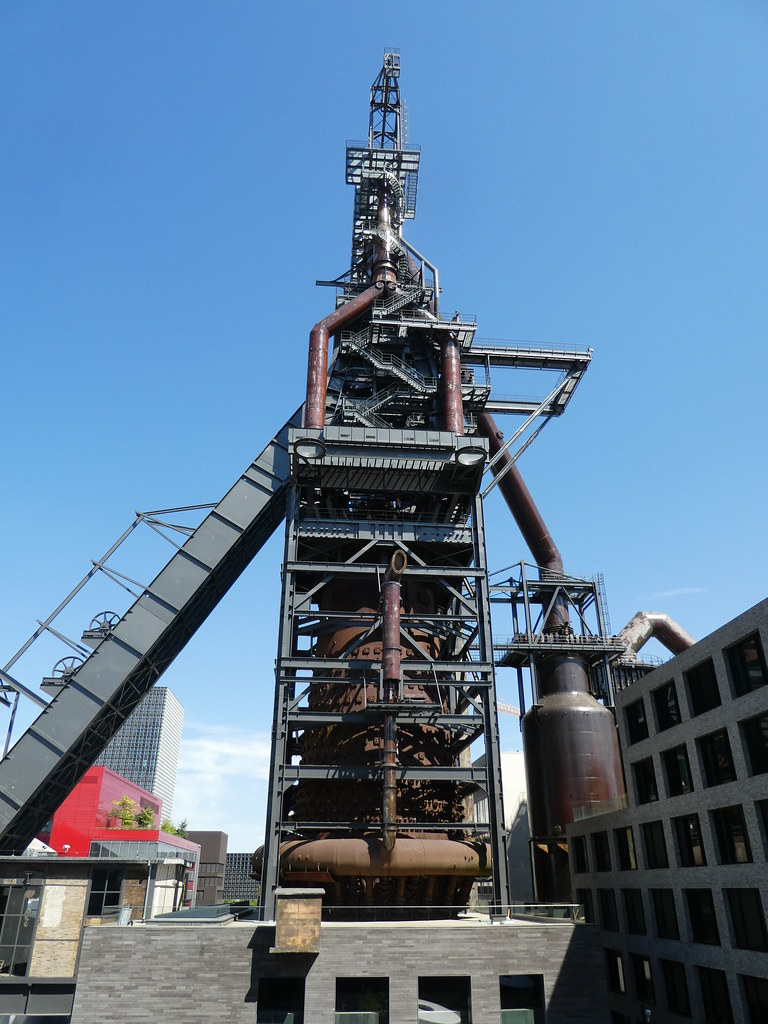
Back in the car we drove to the Raemerich park and ride, €3 (£2.64) for up to 10 hours then took a short bus ride to Esch-Belval to visit Blast Furnace A, now one of the region’s top tourist attractions. Touring the blast furnace costs €5 (£4.40) and is free with the Luxembourg Card.
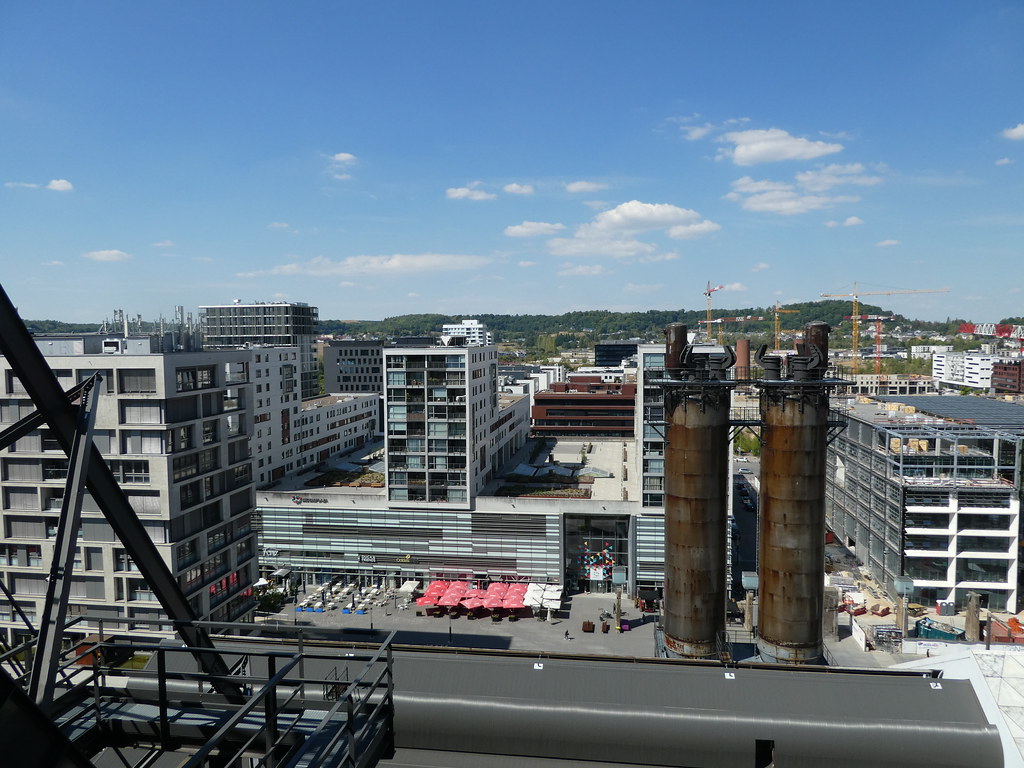
The Blast Furnace plant has always been at the heart of the Belval plant as it was the location where the ore was transformed into cast iron before being turned into steel in the on-site rolling mill to shape it into various forms. With the decline in the cast iron industries in the 1970’s, the Blast Furnace terrace has been transformed into a tourist attraction and is surrounded by a new urban quarter of learning, culture and entertainment.
We took the blast furnace lift up to a height of 40 metres from where we had stunning vistas of Esch-Belval from the high viewing platform. The contrast of the renovated industrial heritage intertwined with the new urbanised area of the city is interesting to view.

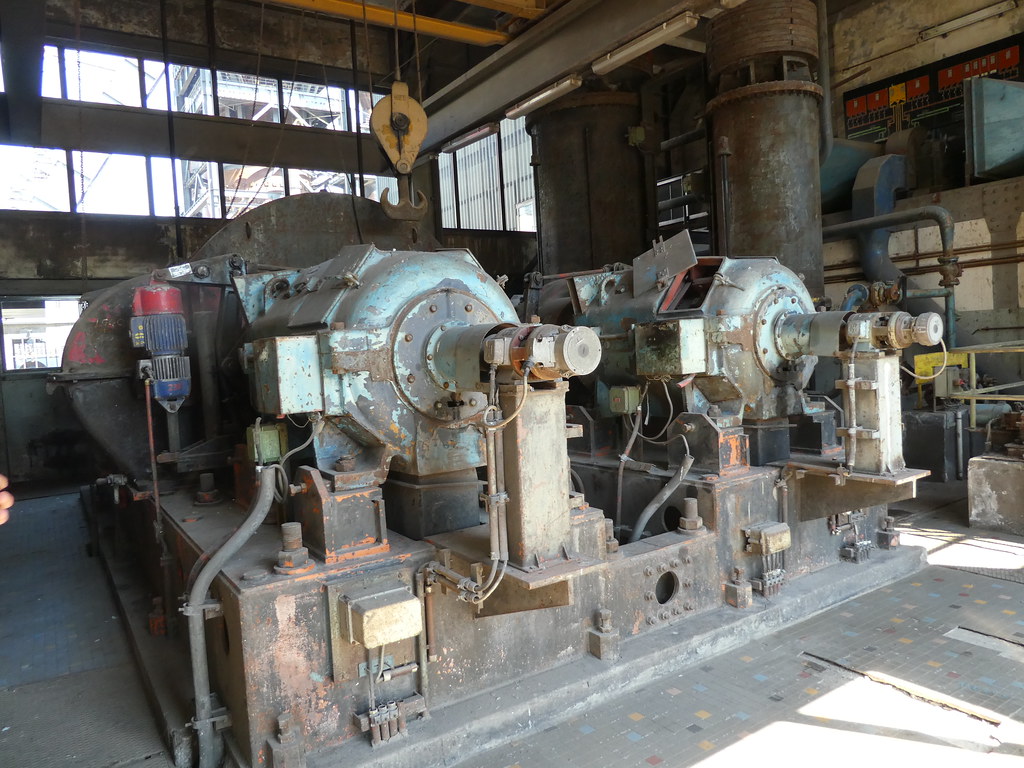
We walked down the 180 steps pausing on each level to read the information boards that detailed different stages in the operation of a blast furnace. The ground floor level is now used as an exhibition space with some vocal rehearsals taking place at the time of our visit. It was fascinating even for those of us with little or no prior knowledge of iron ore production as it’s not everyday you get an opportunity to experience the workings of a blast furnace.

Across the courtyard, the Massenoire building across the courtyard was a former iron ore production site and is now an exhibition space describing the history of the iron and steel industry and its development in the south part of Luxembourg.
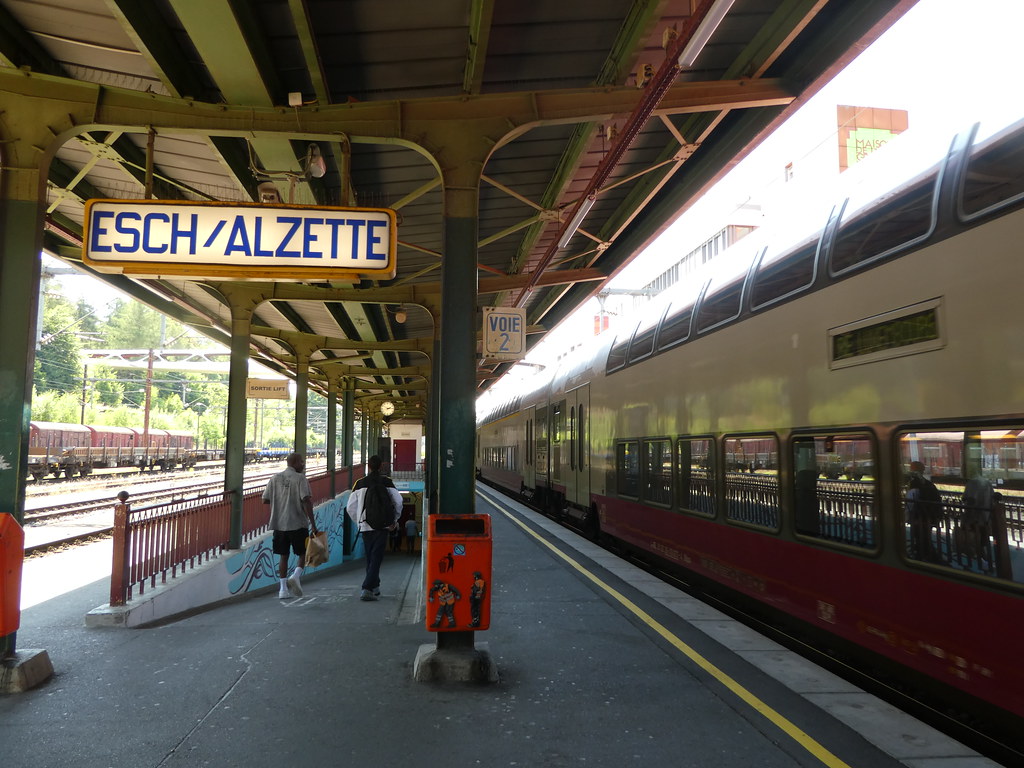
After enjoying a beer on the terrace of the trendy Rockhalcafe we caught a train to Esch-sur-Alzette, another modern town with historic ironworks. Esch-sur-Alzette together with ten neighbouring municipalities in Luxembourg and eight across the border in France has been crowned European Capital of Culture 2022 known as Esch 2022 to celebrate their joint European heritage and culture.
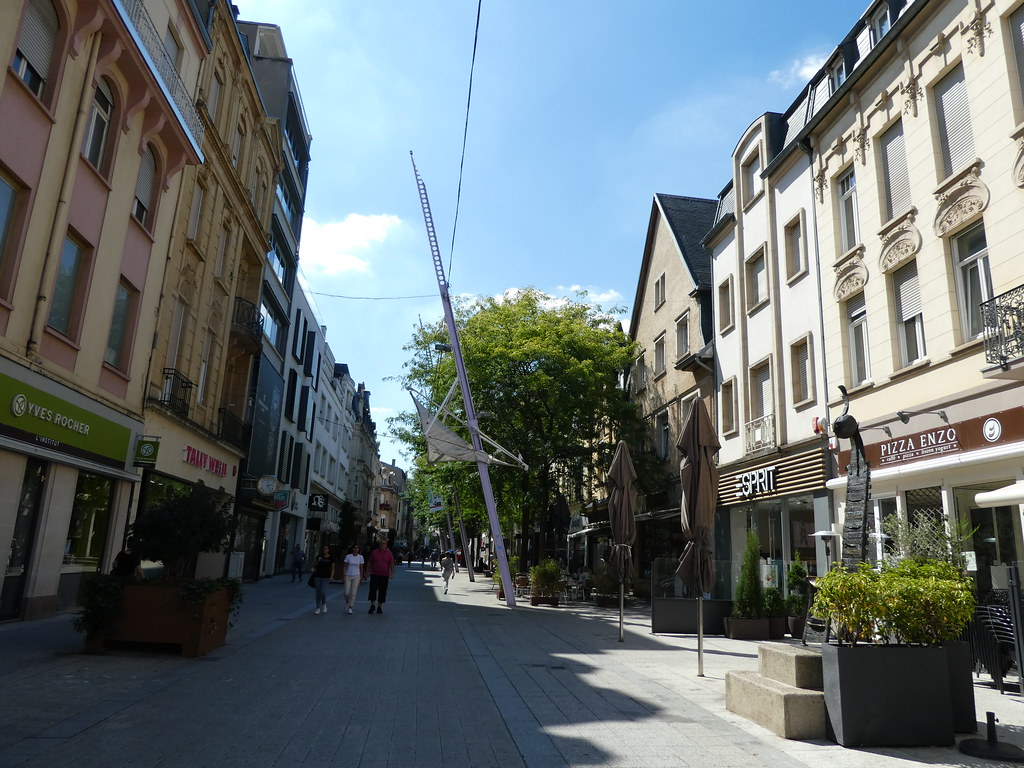
Esch-sur-Alzette lies in the centre of the region and contains some beautiful old buildings which stand in stark contrast to the new urban housing surrounding them. We walked along its pedestrianised shopping street viewing some of the unique art installations relating to its status as Capital of Culture.

Rather than retrace our steps to the railway station, we boarded a bus back to the park and ride from the other end of town. We then continued our exploration of the iron mines with a visit to the National Mining Museum at Rumelange. (Two hour guided tours €9 (£7.90) and included in the Luxembourg Card).

At the time of our visit there were three daily tours commencing at 2.30, 3.30 and 4.30 p.m. We had hoped to take the 3.30 p.m. tour but due to roadworks arrived minutes too late so spent the time looking around the exhibition on the history and development of the mine before the next tour commenced.
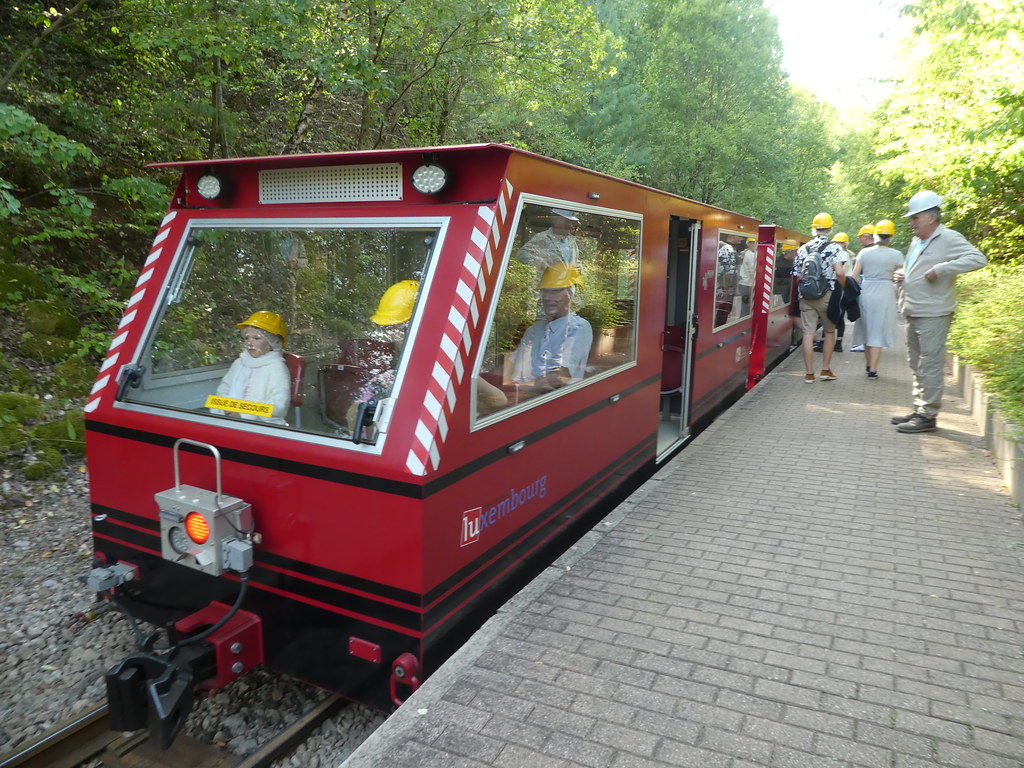
The temperature in the mine is a constant 10 degrees and for those on the tour without coats we were invited to borrow one from a large tub which was helpful. Equipped with warm coats and hard hats we were then led outdoors to board a train to take us into the mine. This was an adventure in itself as the journey took almost 20 minutes with the little train winding its way through the forest before entering the dark tunnels of the mine.

On leaving the train we were led through tunnels with our guide pausing frequently to point things out. Tours are usually in French or German depending on the number of participants from each country but this wasn’t a problem though as we were supplied with audio guides, just needing to press them at relevant points along the route.

The tour covered more than a century of technological development from 1870 to 1997 through its large collection of tools and machinery on display in the underground galleries. We learnt about the arduous nature of the miner’s work in the early days when they endured 12 hour shifts, 6 days a week just using hand tools. The tour continued up to recent times with better working conditions and the introduction of modern machinery.

It was interesting to view the mine workings with two levels being visible in some places. The mine closed in the 1980’s due to economic factors and it’s pleasing that it has been retained as a permanent reminder for future generations to reflect on the importance of iron mining in the country. The end of a fascinating day exploring the industrial heritage of southern Luxembourg.
If you have enjoyed this post you may also like:


 Love Travelling Blog
Leave a reply to WanderingCanadians Cancel reply