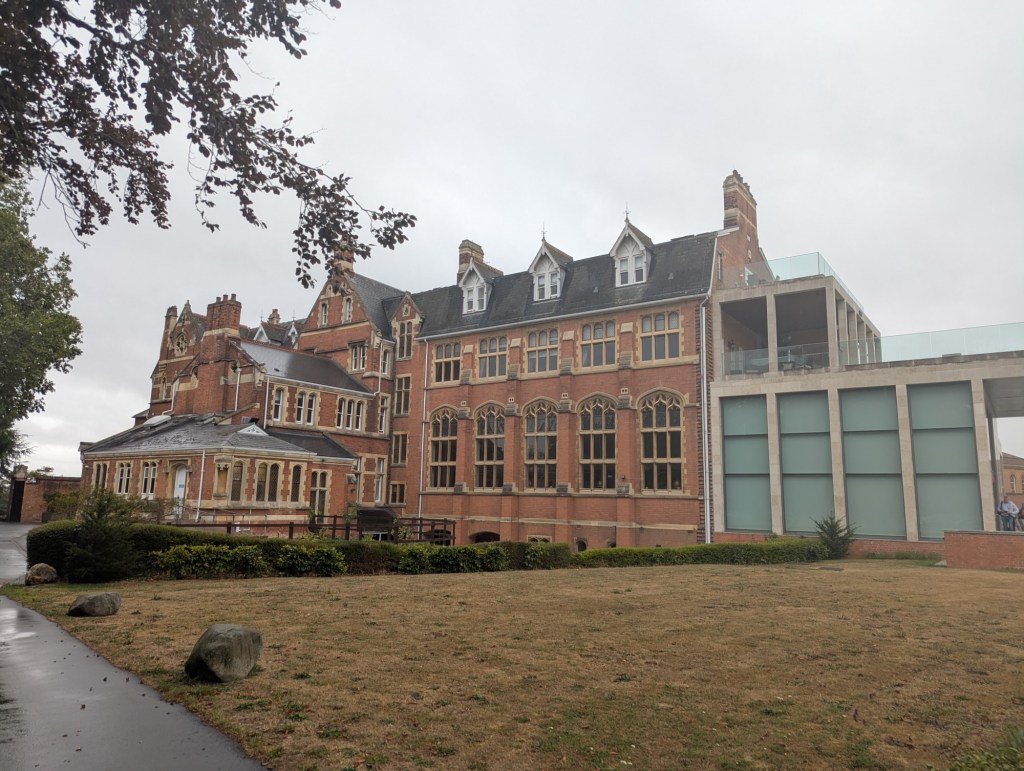
Dating back to the early 16th century, Stanbrook Abbey Hotel was the former home of a closed order of Benedictine Nuns from 1838-2009. With dwindling numbers, the 26 acre estate became too difficult for the nuns to manage so they moved to a new, purpose built convent in North Yorkshire which retains the same name. Although the Abbey is no longer a religious establishment and the chapel has been deconsecrated, the building has been tastefully refurbished into a luxury hotel whilst retaining most of its original features from the dramatic stone cloisters to the gothic stained glass windows.
Location:

Stanbrook Abbey Hotel is nestled in the Malvern Hills just 10 minutes drive from the M5 motorway. For guests arriving by train the nearest railway station is at Great Malvern from where it is only a 10 minute taxi ride to the hotel.
Arrival and check-in:

We arrived at the hotel mid-afternoon and as we drove along its long, sweeping driveway and caught our first glimpse of Stanbrook Abbey we knew instantly that we were in for a wonderful stay. The hotel has a large car park to one side of the hotel with a drop off area to the front for unloading luggage.

A new addition to the hotel is a contemporary styled entrance foyer where we were welcomed by a member of staff and led through to the reception area in the original part of the abbey where we checked-in. Along with our room keys we were handed a map of the estate and it was explained that if we wished to climb to the top of the bell tower at some point during our stay we could borrow the key from reception.

One of the hall porters showed us to our room and carried our luggage for us. This was quite an experience, walking along corridors with Gothic stained glass windows lined with alabaster statues and coats of armour.
The room:

Our room was in the St. Anne’s wing and was furnished in neutral shades and had windows to two sides one of which overlooked the chapel and its imposing bell tower. The king size bed had a lovely light duvet and a very comfortable mattress. A large television was mounted at the foot of the bed with a table and desk along one wall.

The wardrobe incorporated a pull out shelf with a hospitality tray containing a selection of teas, coffee, hot chocolate and biscuits. Complimentary chilled bottled water was located in the fridge and an iron and board was to be found in the other cupboard. The heritage styled bathroom suite boasted both a bath and separate walk-in shower, fragrant Noble Isle toiletries and a heated towel rail.
Dining:

Breakfast is taken in the hotel’s refectory restaurant which is the same room as where the nuns ate their daily meals. The restaurant has been tastefully updated and now incorporates a raised balcony area with cosy circular booths. Original features blend well with modern updates including the ornate ceiling and intricately carved wooden cupboards and staircases which are the work of Robert Thompson (1876–1955), a British furniture maker who carved a mouse on almost every piece of English oak furniture he made. The mouse became his trademark and a symbol of authenticity so of course we had to go and search for the small wooden mouse in the room.

We helped ourselves to fresh fruit and yoghurt from the continental buffet and then moved on to hot dishes. I ordered eggs benedict from the menu whilst my son opted for the traditional breakfast which was self serve except for the eggs which were prepared to order. The large dark gilled mushrooms looked very tempting so I popped along to the servery to add these as a side to my eggs benedict.
Afternoon Tea

Rather than have dinner at the hotel, we instead decided to enjoy afternoon tea which is also served in the Refectory Restaurant. On being shown to our seats we were handed the afternoon tea menus and offered still or sparkling water. We both decided to start with pots of Earl Grey Tea and soon afterwards a contemporary styled three tier cake stand arrived which looked very tempting. We tucked into freshly prepared finger sandwiches comprising egg and cress, tuna and sweetcorn, ham and mustard and cream cheese and cucumber. Our other savoury treat was a small quiche which was light with a crispy casing.

More cups of tea followed as we moved up a tier to enjoy one of the scones which we topped with berry and tonka jam and clotted cream. Sweet treats from the top tier included strawberry rose tarts, lemon and poppyseed sponge, double chocolate choux buns and miniature vanilla and blueberry cheesecakes.
The Facilities:
Exploring the former convent and its grounds is a wonderful way to spend some time and we enjoyed an entire morning utilising the map that was handed to us at check-in so that we could view all the different parts of the building and look in wonderment at how life in the convent would have been.
George’s Bar

This contemporary styled bar is located in the new part of the hotel to one side of the entrance foyer. With nods to its ecclesiastical heritage, church window mosaics have been woven into its design. Above the bar are photographs of famous people named George and it was fun to try and recognise who they were whilst enjoying a drink.
Callow Great Hall

Once the former church of the Abbey, it was consecrated in 1871 and with its high vaulted ceiling, it is absolutely stunning. Deconsecrated since becoming part of the hotel, it retains its stained glass windows, stone pillars, original tiled floor and wooden pews. The hall is now a much sought after venue for grand occasions and private dining.
Brides Manor
The original Georgian manor house was the former presbytery and connected to the Callow Great Hall by a private cloister. This passageway allowed the priest to enter the church separately from the nuns.
The Groom’s Room

Once the sacristy where visiting clergy prepared for services and where vestments were stored.
St. Anne’s Hall

We accessed this via one of the cloisters. This hall was used as the church before the Callow Great Hall was completed. This building was also used as the Abbey schoolhouse.
The Library Bar

The original abbey held around half a million ecclesiastical texts with the room now used as the library bar remaining intact as it would have been when the nuns resided there. The bar hatch is tastefully hidden behind the wooden doors.
The Bell Tower

We borrowed the key from reception to climb the winding stone steps up to the top of the bell tower. Part way up we paused for breath in the bellringing room and also where the clock and large bells are housed. Once out on the top of the tower we enjoyed far reaching views over the Stanbrook Abbey estate and further afield towards the Malvern Hills.
The Games Rooms

The abbey’s basement is now home to a series of games rooms, the like of which I have not come across before. Alongside a full size snooker table, other rooms are equipped with chess boards, Scrabble tables and almost any other game you could think of.

Out and About:

After exploring all parts of the hotel and taking a walk through its extensive grounds I suggest taking the short drive into the charming small town of Malvern where you can visit the Priory, Abbey Gateway, Priory Gardens and follow the ‘Route to the Hills’ by taking the 99 steps up towards the Malvern Hills.
Overall:

Our stay at the Stanbury Abbey Hotel was a delightful and a unique experience to take a short break in the former convent. I was impressed at how the heritage of the building had been tastefully incorporated into the hotel and new life breathed into the abbey once the nuns had decided to move elsewhere. Whether its for a special occasion, a wedding, romantic weekend or simply a short break, the hotel ticks all the boxes.
Details: Stanbrook Abbey Hotel, Jennet Tree Lane, Callow End, Worcester, WR2 4TY
We were guests of Visit The Malverns and as always, all views and opinions are entirely my own.
If you have enjoyed this post you may also like:


 Love Travelling Blog
Leave a reply to travelling_han Cancel reply