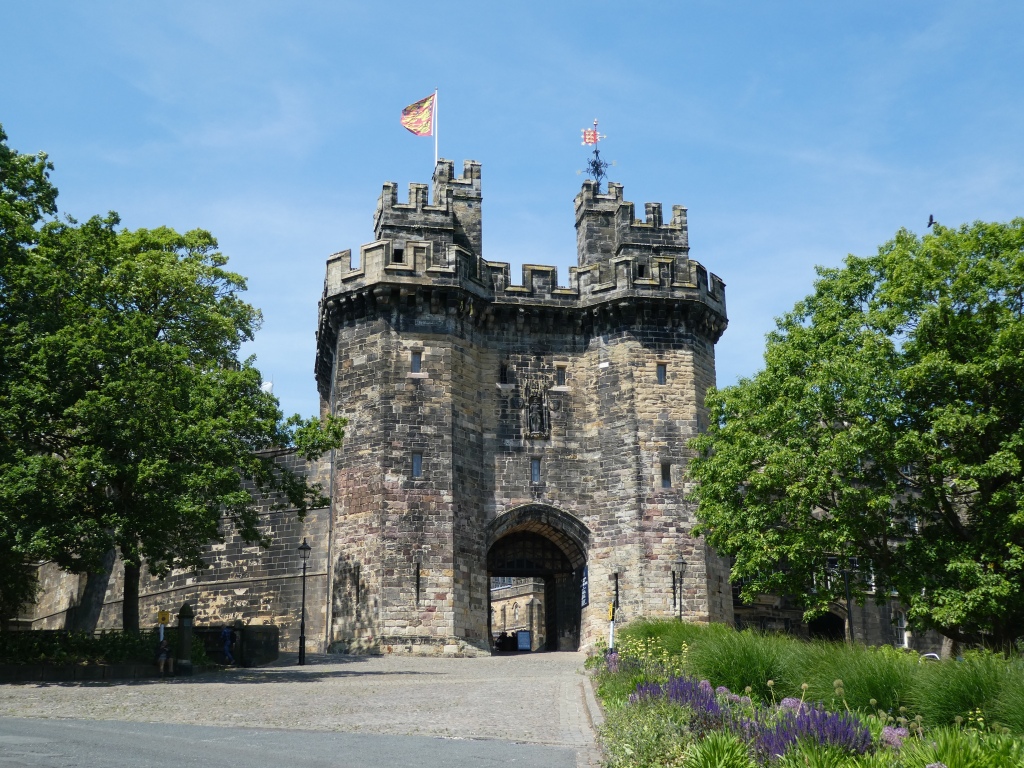
Lancaster is located in north west Lancashire, gaining its first charter as a market town back in 1193 but not becoming a city until 1937. With an imposing medieval castle, historic buildings, interesting museums, parks, riverside walks and good shopping, there’s much to see and do.
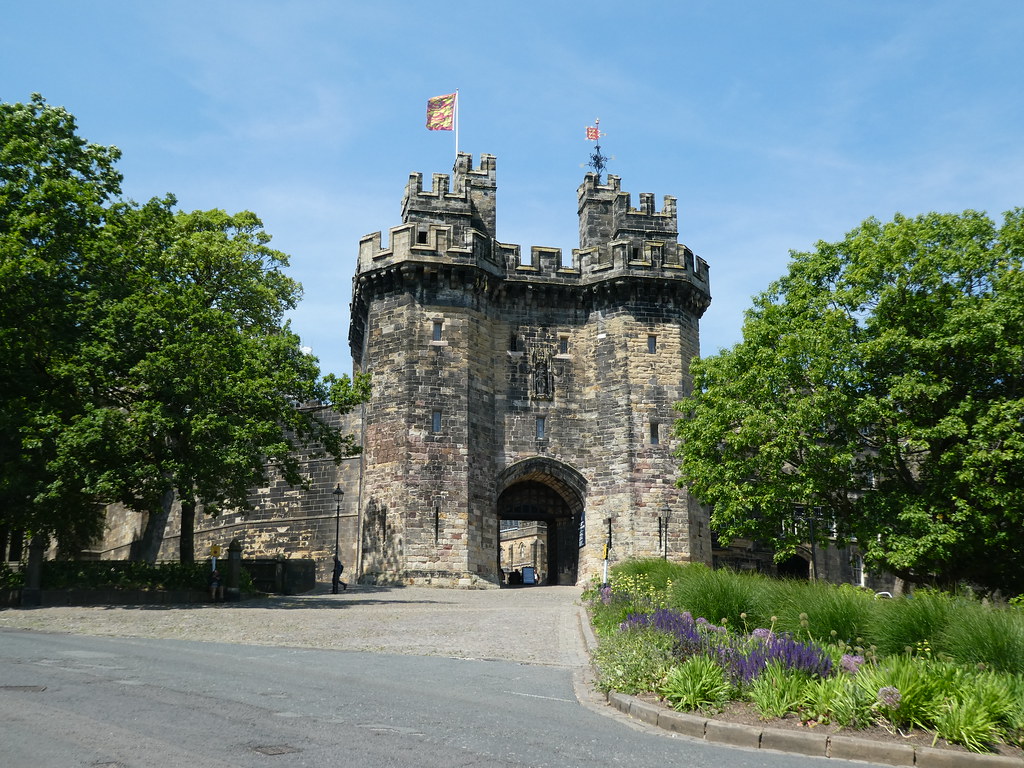
Getting there: Lancaster is accessible by road from the M6 motorway. From the south take Junction 33 or Junction 34 if coming from the north. For visitors arriving by train, the city is on the West Coast mainline with frequent services between London and Scotland. There are also direct services from Manchester with local services between Lancaster, Morecambe, Heysham and Carnforth. As we were planning on visiting some rural locations over the weekend, we opted to travel by car.

We’d arranged to stay at the Royal Kings Arms Hotel overlooking the castle and just a short walk from the other main attractions and shops. This historic hotel was originally built in 1625 but later rebuilt due to a devastating fire. The hotel has recently undergone an extensive refurbishment which has been tastefully carried out preserving the original features with contemporary twists.

A Victorian lift takes guests to the upper floors where one can stay in comfortable rooms of varying shapes and sizes. We’d been booked into the newly refurbished Castle View suite which was beautiful, having a separate lounge and large bedroom overlooking the castle entrance. The suite came complete with a pink freestanding bath in one corner of the bedroom, a separate bathroom with twin basins and a large walk-in shower.

After dropping off our bags we strolled across the road to explore Lancaster Castle. The castle was home to a working prison between 1955 and 2011 and more recently it has been transformed into the Lancashire Police Museum, so we headed there first.

The museum offers free admission and is run by a team of volunteers most of whom are retired members of the Lancashire police force and warders who served in the prison. Chatting to them, they brought the museum to life with their recollections of life behind bars. The museum has limited opening hours so it’s best to check the website in advance to avoid disappointment.

H.M. Prison Lancaster Castle was the longest continuously operating prison in the country and has remained intact since its closure providing an authentic experience to visitors.

Individual cells along a corridor have been repurposed as themed galleries covering the history of the Lancashire Constabulary, police training, forensic development and an overview of some of the police departments.

The museum is extremely interesting and should definitely be included on your visit to the castle. Visitors can also enjoy an extensive guided tour of the actual castle. This covers the Shire Hall court room, old court, cells, dungeon, drop room and courtyards. Due to a maintenance issue tours were unfortunately not running on the day of our visit but I’d like to return to do this at a later date.

We were then ready for some lunch and where better than in the Lancaster Castle cafe operated by local coffee roasters, Atkinsons. With indoor and courtyard seating, it’s a popular lunch spot for locals and visitors alike.

We ordered ham and cheese toasted sandwiches which oozed delicious Lancashire cheese and were very tasty. The cakes were too tempting to ignore so we both enjoyed an almond slice with our barista made cappuccinos.

Suitably fed and watered, we were soon on our way again, this time to The Judges Lodgings Museum nestled below the castle. It’s housed in the city’s oldest townhouse which was built around 1625 by Thomas Covell, Keeper of the castle.
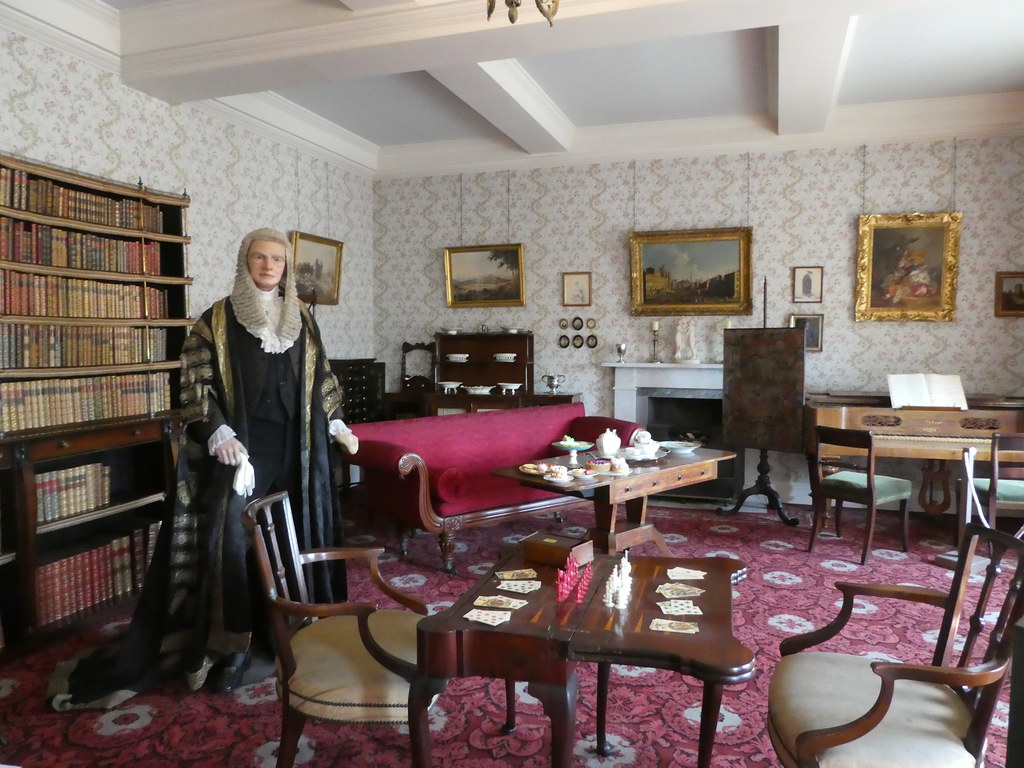
From 1826 the house became a lodgings for the travelling judges of the Assizes Court who would usually spend around a month at one time based in Lancaster and would normally bring their wives along with them.

Volunteer staff were dressed in period costumes in several of the rooms and were happy to describe the goings-on of the time. The elegant rooms where the judges would have relaxed are furnished in the finest mahogany furniture produced by the renowned local cabinet makers Gillows of Lancaster.
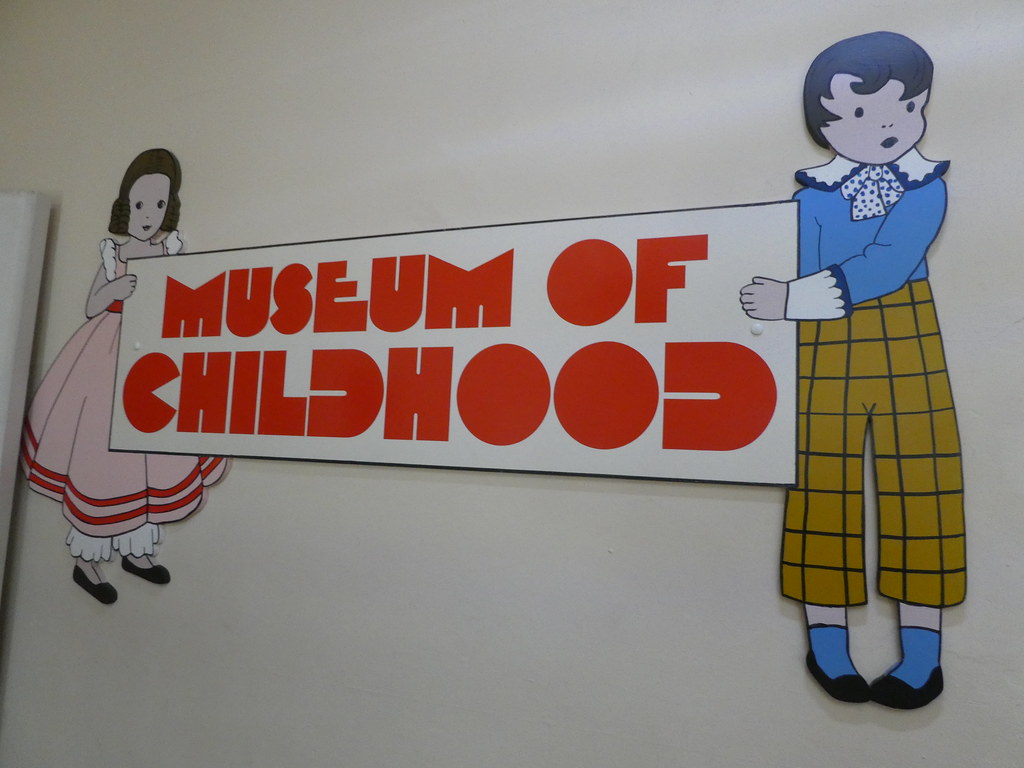
The upper floor of the museum is given over to the Museum of Childhood and comprises a series of rooms displaying the development of toys from the 18th century up to more recent times.

There’s a collection of toys and dolls, a Victorian classroom with old fashioned wooden desks with brass inkwells and a day nursery with a double seated rocking horse. In one of the display cabinets I spotted the exact same Paddington Bear that I have at home who must be around 40 years old now.

Leaving there, we wandered down the hill for a look around the thriving town centre. Lancaster is a great place for a spot of shopping with its pedestrianised streets, abundance of small, independent retailers and usual high street brands including Marks & Spencer and Waterstones.

Lancaster City Museum is based in the former Town Hall, standing proud overlooking the market square. The museum documents the city from the pre-historic era through to the present day.
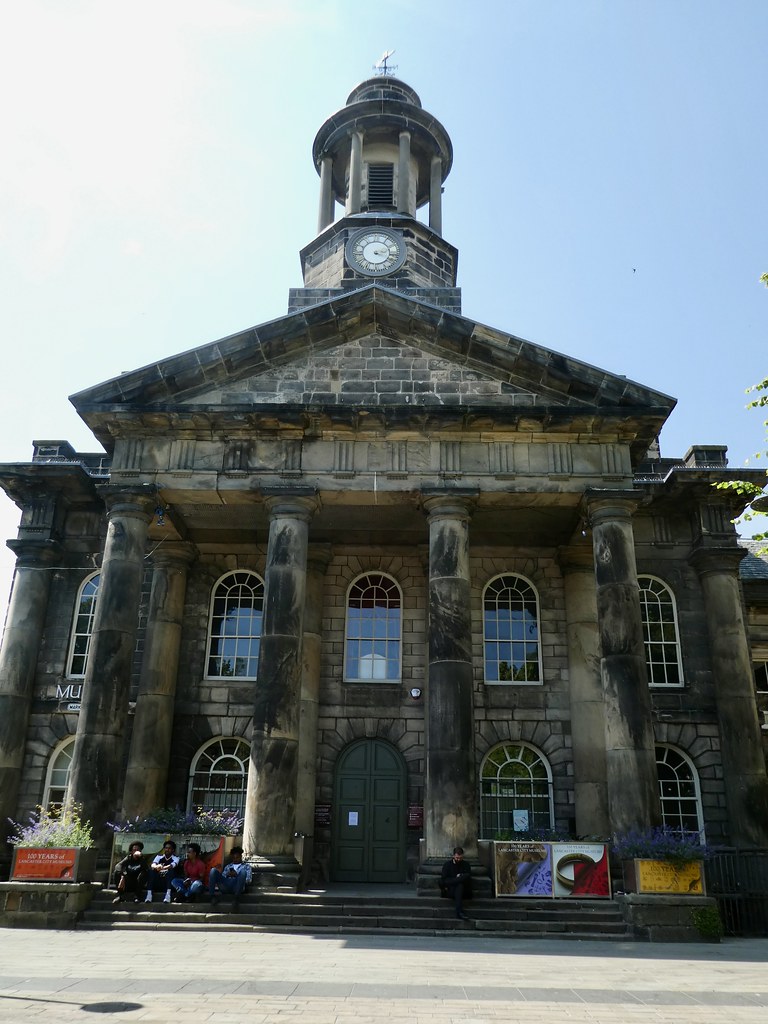
Its varied collection showcases the city’s social history and the industries and people who helped to make Lancaster what it is today. The museum is also home to the Kings Own Regiment Museum detailing the military history of the city’s own regiment from 1680 onwards. Lancaster City Museum (admission free).
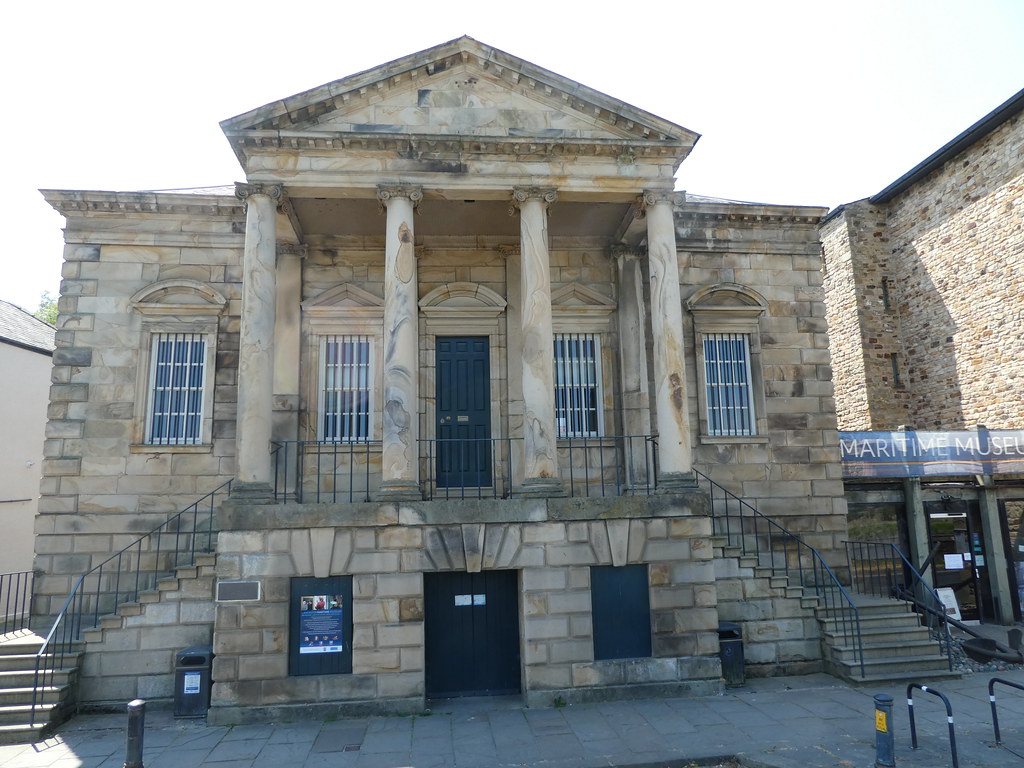
Next on our list was a visit to the Maritime Museum which occupies two historic buildings on St. George’s Quay overlooking the River Lune. Located in the former Customs House dating back to 1764, the museum also occupies the upper floor of the neighbouring warehouse where goods would have been stored after being shipped into the port.

Its galleries tell the story of the history of the Port of Lancaster, the local fishing industry and the town’s relationship with the sea. Lancaster Maritime Museum.
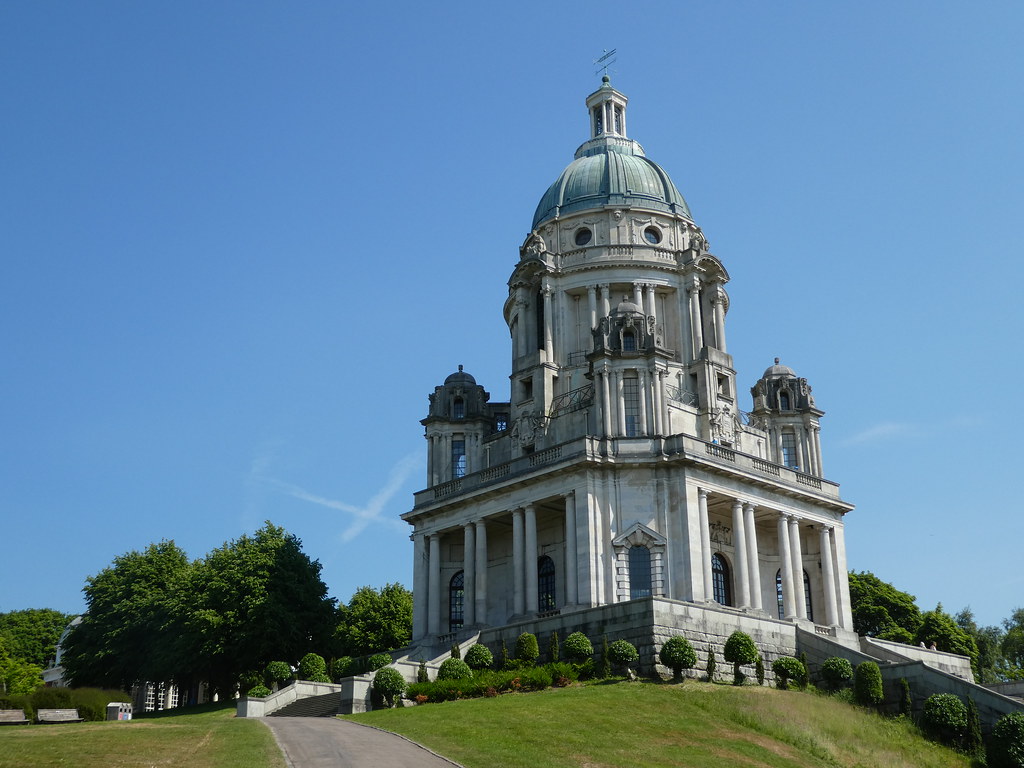
Towering over the city and visible from afar, is the Ashton Memorial so we decided to head up there to investigate. From the riverside it was a 20 minute uphill walk but for those not feeling quite so energetic there is a car park nearby and the No. 18 bus will take you there in a few minutes from the bus station.
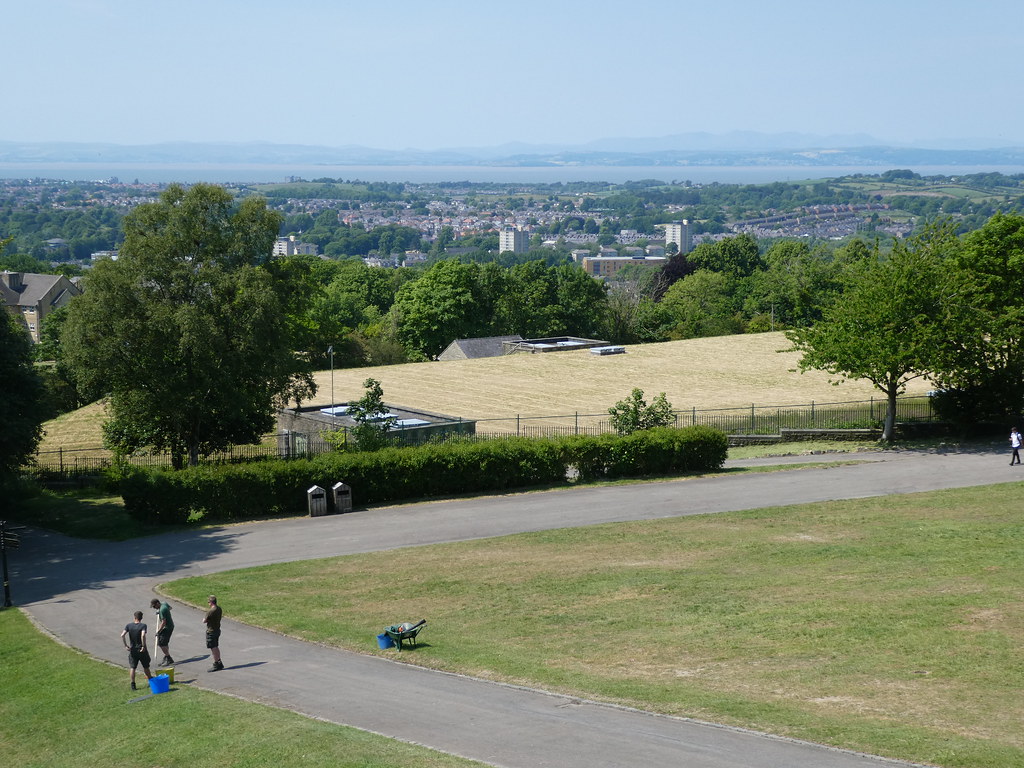
The memorial takes pride of place in Williamson Park which is set within 54 acres of parkland. It’s definitely worth the effort to visit the park as from the hilltop there are magnificent views on a clear day across to Morecambe Bay and the Lake District fells beyond.

The Ashton Memorial was commissioned by the Lancaster industrialist Lord Ashton as a tribute to his late wife Jessy. Constructed from Portland stone and topped with a copper dome, the steps leading up to it are made from Cornish granite. The memorial stands 150ft tall and incorporates an outdoor viewing terrace.
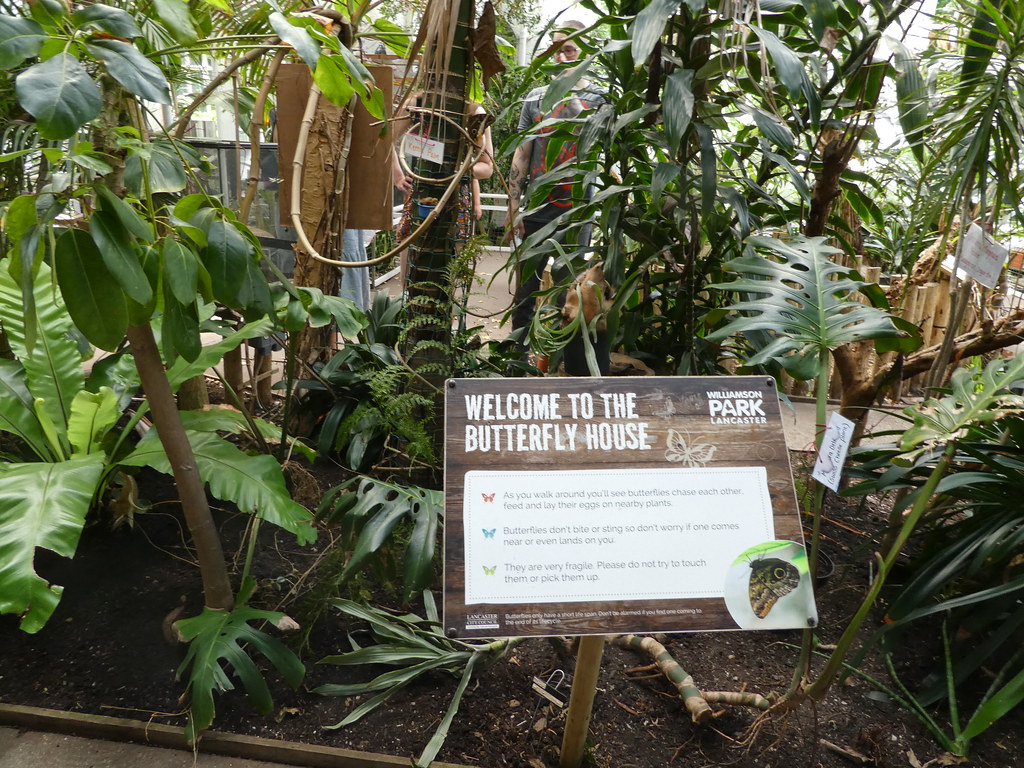
Located next to the memorial in what was at one time an Edwardian palm house, is the Butterfly House. This rainforest inspired building is filled with tropical plants, winding paths, a waterfall and home to numerous brightly coloured butterflies, koi- carp and tortoises.

Adjacent to the Butterfly House is a Mini-Beast House with meerkats and small mammals. Entrance to Williamson Park and the Ashton Memorial is free, with joint tickets to the Butterfly and Mini-Beast House £4. Williamson Park.

After a relaxing break in the cafe and gift shop we set off back downhill into town stopping off in Dalton Square to take a look at the large monument to Queen Victoria which takes pride of place in front of the Town Hall.

Back at the hotel we relaxed in our beautiful suite awhile before having dinner in the hotel’s attractive Brasserie Restaurant. Seated at a window table we enjoyed the three course table d’hôte menu which was excellent value at £24.95 for three courses. The end of a lovely day exploring historic Lancaster.
If you have enjoyed reading this post you may also like:


 Love Travelling Blog
Leave a comment