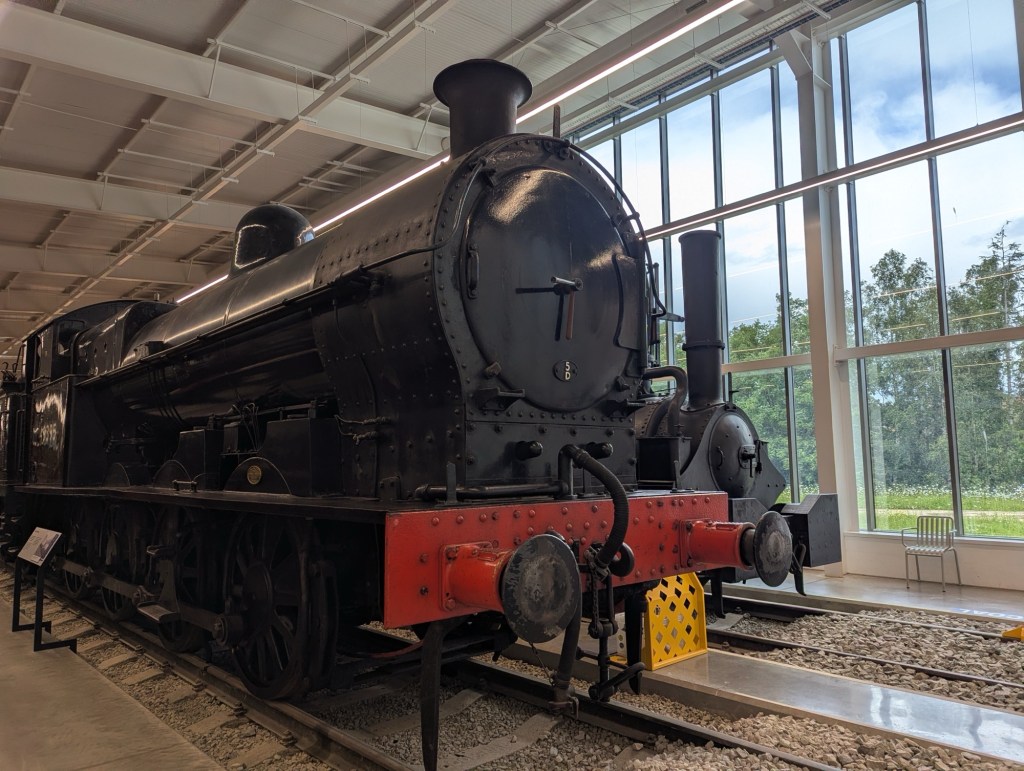
Locomotion is situated in Shildon, County Durham, a town that holds the undisputed title of the world’s first railway town. The museum is built across a sprawling 13 hectare site that once formed the heart of the Shildon Wagon Works. This isn’t just a museum about history; but rather a site where history happened. The museum marks the starting point of the Stockton and Darlington Railway (S&DR), where on 27th September 1825, the very first steam hauled public passenger train began its journey.
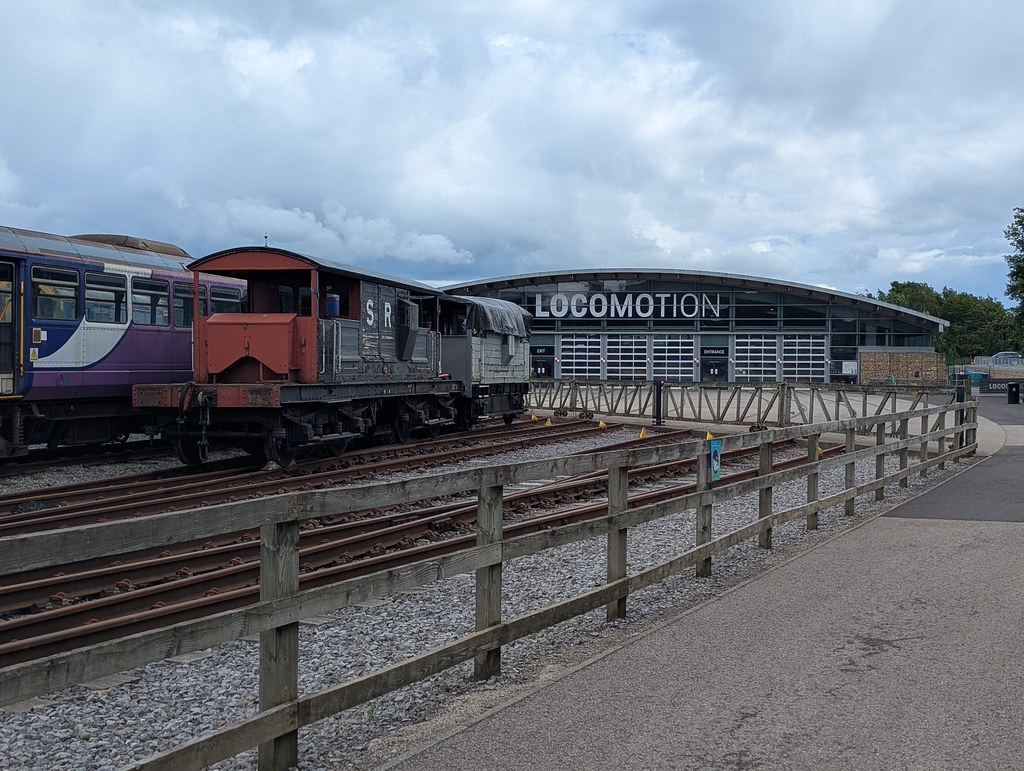
Getting there
By Car: From the A1(M) take the A689 towards Bishop Auckland and follow the brown tourism signs for Locomotion. There is a large free car park including an overflow area used during gala events.

By Train: This is the most authentic way to arrive. Shildon railway station is on the Tees Valley Line, with regular services from Darlington and Bishop Auckland. The museum actually has its own dedicated platform, and it’s a very short, flat walk to the Main Hall.
By Bus: Several local Arriva services including the No. 5 or No. 1 connect Shildon to Bishop Auckland and Darlington, with stops a short walk from the museum entrance.
Admission
Locomotion is part of the Science Museum Group, meaning admission is completely free. While we had no problem walking in, it’s worth obtaining a free timed entry slot on their website in advance at weekends and during school holidays. Some special events, like “Steam Gala” days or rides on the passenger train, carry a small extra charge (usually around £2–£5).
The Historic Heritage Trail (Soho Works)
The outdoor trail connects the various museum buildings and follows the path of the original S&DR line. This includes:
The Coal Drops: These massive stone structures from the 1840s were a marvel of Victorian logistics, allowing coal to be dropped directly from wagons into horse-drawn carts below.

The Goods Shed: Built in 1857, this building is unique because it was partially constructed using stone sleeper blocks recycled from the original 1825 track—you can still see the holes where the iron chairs were once bolted down.

Soho Shed: This early 1826 warehouse was originally used by iron merchants but eventually became a locomotive paint shop. Today, it houses early “Chaldron” wagons, the rugged, black, cauldron-shaped cars used to haul coal.
Timothy Hackworth’s House

A key stop on the trail is the home of Timothy Hackworth, the S&DR’s first Locomotive Superintendent and a pioneer who many argue was as influential as the Stephensons. The house has been restored to show how a high status Victorian engineer lived. It’s a fascinating, intimate look at the man who kept the railway running when early steam technology was notoriously temperamental.
Main Hall
This is the museum’s primary exhibition space, a vast light-filled building that houses the stars of the collection.

Locomotion No. 1 and 910 are undeniably the stars of the show. No.1 is the actual engine that hauled that first train in 1825 whilst 910 is the only surviving locomotive to be designed by Edward Fletcher.

Sans Pareil: Built by Hackworth for the 1829 Rainhill Trials. Though it lost to Stephenson’s Rocket, it was a masterpiece of engineering that stayed in service for years.
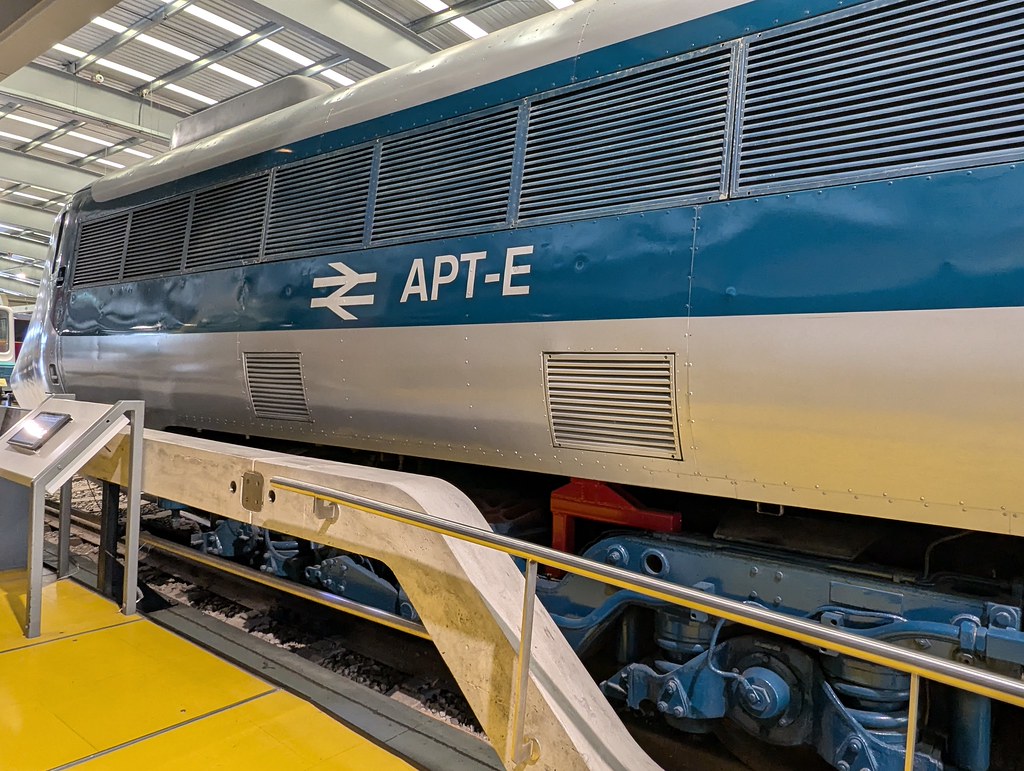
The Experimental Era: The APT-E (Advanced Passenger Train) was the 1970s tilting train that was years ahead of its time, and the Prototype Deltic, a massive, roaring blue diesel that transformed express travel in the 1950s.

Royal Influence: The Hall displays majestic royal carriages, giving visitors a glimpse into how Queen Alexandra or King Edward VII traveled in upholstered, mahogany-lined luxury.
New Hall

Opened in 2024, this massive £8 million expansion effectively doubled the museum’s footprint. It is designed to feel like a working engine shed, with vehicles displayed on tracks set into authentic ballast.

The Workhorses: While the Main Hall has the “glamour” engines, New Hall celebrates the freight and maintenance vehicles. You’ll find massive BR Class 37 diesels, unique snowploughs used to clear the Pennine lines, and even an armored “Warship” locomotive.

Local Legends: Many of the wagons displayed here were actually built on this very site when it was the Shildon Wagon Works. It’s a powerful tribute to the thousands of local families who worked there for generations.
Passenger Rides and The Gaunless Bridge
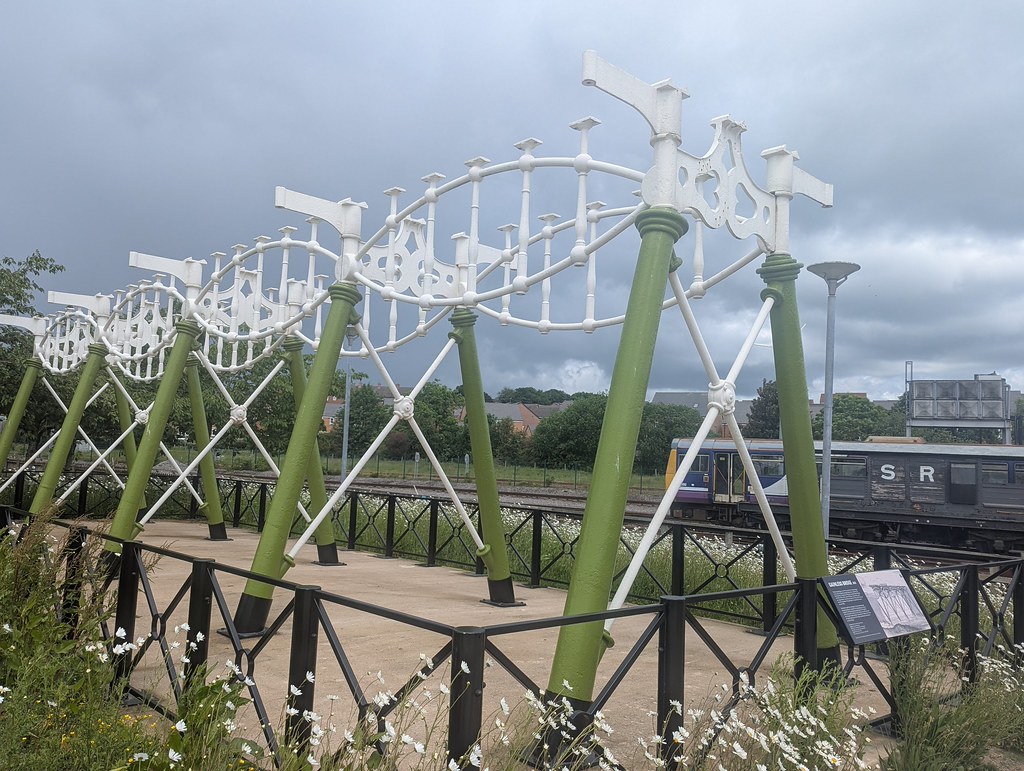
On “Steam Days” (check the museum calendar), visitors can take a short trip on a vintage train along the museum’s demonstration line. It’s a short chug, but the smell of the coal smoke and the hiss of the steam make the history come alive. Also, don’t miss the Gaunless Bridge—it’s one of the first iron railway bridges in the world, designed by George Stephenson and has been reconstructed on the museum site.
Café and Shopping
The Platform 7 Café is located in the Main Hall and offers great views of the locomotives. It’s famous locally for its “Railwayman’s Lunch” and thick slices of cake. The gift shop is equally impressive, stocking everything from high-end Hornby model sets to “Shildon-born” heritage memorabilia and books that detail the nitty-gritty of locomotive boiler design.
Why You Should Visit

Locomotion isn’t just for die-hard train spotters; it is a world-class cultural asset that tells the story of how the modern, interconnected world was born. I recommend visiting because it houses the largest collection of historic rail vehicles under one roof in Europe, all completely free of charge. The site seamlessly combines industrial archaeology like Timothy Hackworth’s home and the 1840’s coal drops with stunning, modern exhibition spaces.

Having already visited the National Railway Museum in York, STEAM in Swindon and numerous other rail museums around the world, I was absolutely delighted to finally add Locomotion to my list. While York has the scale and Swindon has the Great Western flair, Shildon offers something unique: as it’s the feeling of being at the very beginning of the story. Whether you want to stand face-to-face with the birthplace of public rail travel, explore the massive new New Hall expansion or enjoy a family day out, Locomotion is a must visit destination that honours the North East’s proud engineering legacy.
If you have enjoyed this post you may also like:
STEAM Museum, Swindon Review: Our Visit to the Great Western Railway Museum
National Railway Museum York – Explore Britain’s Iconic Locomotives


Leave a Reply