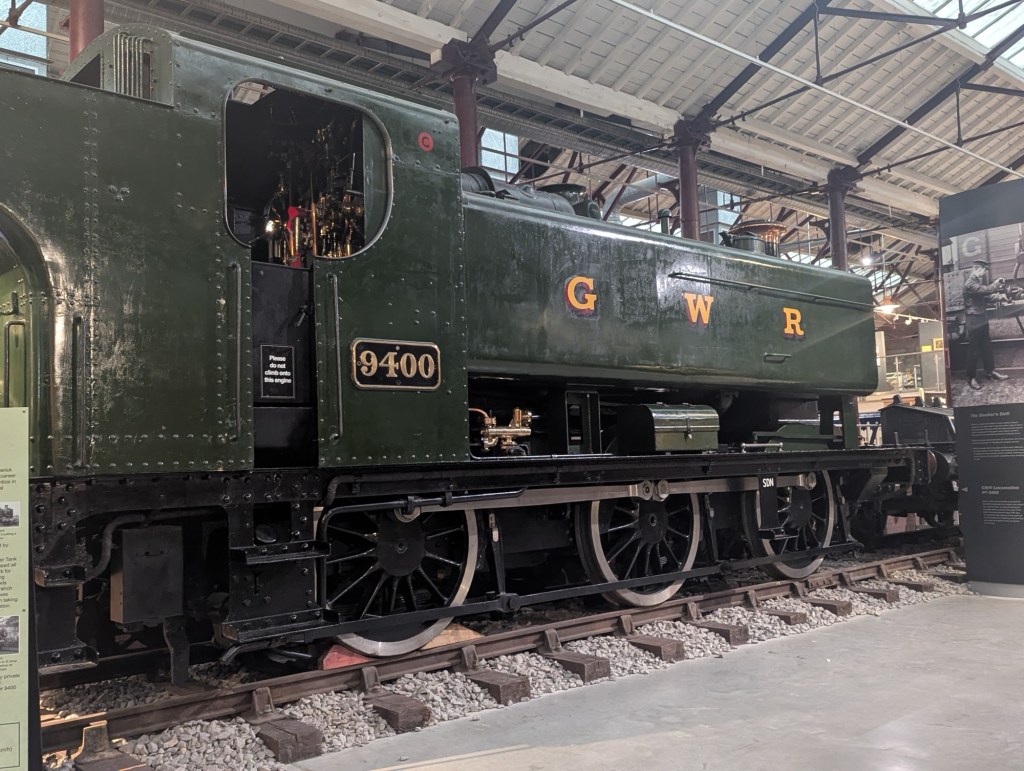
STEAM – Museum of the Great Western Railway in Swindon offers an engaging and immersive look into Britain’s railway heritage. Housed in the historic former railway works, the museum combines original locomotives, recreated workspaces and personal stories to explore how the Great Western Railway shaped Swindon and transformed everyday life.
Getting there

STEAM is located in the Rodbourne area of Swindon taking 15-20 minutes to walk from Swindon Railway Station. We arrived by car and as the museum now shares its historic site with the Swindon Designer Outlet, visitors are requested to use this car park which is just across the road from STEAM. The car park charges a flat rate of £2.50 for up to a five hour stay payable on departure.

Tickets
Standard admission to the museum is £14 or if you live locally it is £28 for an annual pass which also includes unlimited entrance to the Wiltshire Museum, Devizes, The Salisbury Museum, Dorset Museum & Art Gallery, Dorchester, Poole Museum and Lydiard House Museum.
The Origins of the Great Western Railway

The Great Western Railway Works in Swindon originated in the 1840s following the rapid expansion of the Great Western Railway under the direction of its chief engineer, Isambard Kingdom Brunel. As the network extended westward from London, the company required a central location for the construction, maintenance and repair of locomotives and rolling stock. Swindon was selected in 1841 primarily for its strategic position along the line between London and Bristol and for practical considerations such as available land and water supply. The establishment of the works transformed what had been a small agricultural settlement into a major railway town, with the company developing housing and services to support its growing workforce. Over time, the Swindon Works became one of the largest and most significant railway engineering centres in Britain.
Offices, Clerks and Administration

From the moment we entered STEAM, the scale of the former railway works made a strong impression on us. The high ceilings, iron columns and worn brick walls gave the building a sense of its history. Our tour began with a walk through the recreated office spaces which were particularly revealing. Long rows of desks, neatly arranged ledgers and paperwork suggested a disciplined, structured environment. Displays highlighted how clerks, supervisors and managers kept track of timetables, wages, materials and correspondence.

Tucked inside the beautifully restored railway works, the recreated stores offices also offered another step back into the administrative heart of the Great Western Railway with its rows of wooden boxes, brown envelopes, balls of string and weighing scales.
Workshops and Skilled Labour
From offices and stores, the exhibition continues into the workshops. Here we were introduced to the beginnings of the Great Western Railway and Brunel’s ambitious vision. The plans, models and drawings showed just how much innovation and risk were involved. The main focus of these workshop galleries was on physical labour and craftsmanship. The tools on display were extremely heavy and with the aid of interactive screens this enabled us to imagine the noise, heat and routines on the shop floor.

Swindon and the Railway Community
As the galleries moved on to Swindon itself, the story became more localised. Displays showed how the railway works shaped the town’s growth and identity. Photographs of workers, employment records and everyday objects helped bring individual lives into focus. It was evident that the railway was not simply a place of work but also the backbone of the community, influencing routines, relationships and generations of families.
The Locomotive Gallery

The locomotive gallery was one of my favourite parts of the museum. Standing beside engines such as the Caerphilly Castle with its huge wheels was a thrilling experience. Being able to walk alongside these huge engines allowed us to take in all the fine details from the riveted metalwork, complex pipe systems and massive driving wheels.

The Royal Train
One of the most memorable moments of our visit was seeing the Royal Train carriage. Stepping alongside it felt like entering a completely different world as the contrast between the industrial locomotives and the elegant interior of the royal saloon car was apparent. The polished wood, soft furnishings and attention to comfort highlighted how rail travel even in those early days could be adapted for status and ceremony.

The Signal Box
The signal box display offered an insight into the importance of communication and safety. The levers, instruments and layout showed how much concentration and responsibility was involved in controlling train movements.

It was fascinating to go through the stages in the animated signal box walkthrough as this clearly demonstrated how a signalman operated the railway by physically pressing levers to change points, control signals and halt or release trains. Through guided prompts and moving mechanisms, it showed how each lever corresponds to a specific track function, helping visitors understand the coordination required to manage train movements safely.

Platforms, Waiting Rooms and Booking Offices
The recreated station platforms and waiting rooms added a strong sense of everyday experiences with their heritage benches, signage, posters and period details making it easy to imagine passengers waiting for trains in days gone by.

The waiting rooms reflected the social divisions of the time, reminding us that rail travel was shaped by class as well as convenience. This part of the museum was more relatable to travelling nowadays as it moved the focus from machinery to the people who used the railway daily.

The recreated booking office gave us another insight into travelling in the past. With platform tickets costing only one old penny and to viewing the polished wood counters, tickets and timetables this helped us imagine how early rail travellers planned their journeys.

Final Reflections
We’ve always loved trains having visited the National Rail Museum in York numerous times as well as taken rides on several heritage railway lines up and down the country. When our travels took us to Wiltshire we were excited to finally be able to visit STEAM, the home of the Great Western Railway. Whether you are a rail enthusiast or not, a visit to this museum in Swindon is highly recommended as it beautifully portrays the story of the Great Western Railway.

Our visit provided us with a clear overview of how GWR developed from Brunel’s early vision into a major industrial and transport organisation offering a structured account of how a 19th century engineering project became a significant part of Britain’s railway infrastructure.
Details: STEAM Museum, Fire Fly Avenue (off Kemble Drive), Swindon.
If you have enjoyed this post you may also like:
National Railway Museum York – Explore Britain’s Iconic Locomotives
Exploring the Watercress Line – A Classic Steam Railway Experience
We were guests of STEAM Museum and as always, all views and opinions are entirely my own.


Leave a comment